Why Upgrading to an Asphalt Shingle Roof is a Smart Investment
Choosing the right roofing material is an important decision for homeowners. Cost, durability, appearance, and long-term maintenance all influence whether a particular option is a worthwhile investment. Asphalt shingles remain a popular choice because they offer a practical balance of affordability, performance, and design flexibility. From lower installation costs to dependable weather protection, upgrading to asphalt shingle roofing can provide several benefits while supporting a home's long-term value.
Understanding the Financial Benefits
Reducing Initial Installation Costs
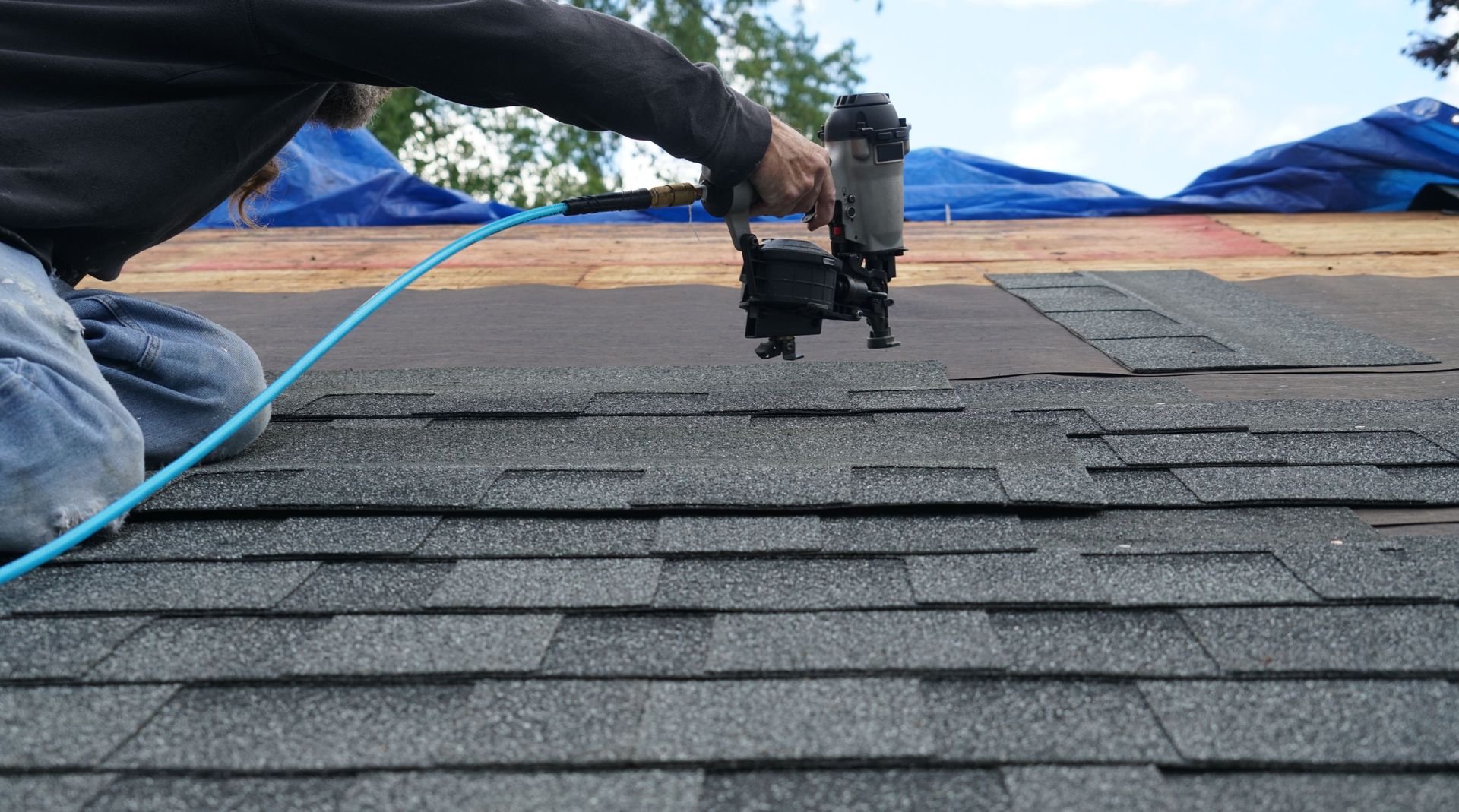
One of the biggest advantages of asphalt shingles is their relatively low installation cost compared with materials such as slate, tile, and metal. The materials are widely available, and the installation process is familiar to many roofing contractors. These factors can reduce labor expenses and make a new roof more accessible to homeowners working within a specific budget. The affordability of asphalt shingle roofing also allows property owners to consider different product grades without necessarily exceeding their renovation budgets.
According to Ruby Home, asphalt shingles are the most common roofing material, used in roughly 75% of roofing projects. Their widespread use reflects their affordability and availability. Homeowners also benefit from having numerous contractors and product options to consider, making it easier to compare estimates and find materials that fit their needs.
Increasing Long-Term Savings
Although the initial price is important, homeowners should also consider the expenses associated with maintaining and replacing a roof. Quality asphalt shingles can provide reliable coverage for many years, reducing the likelihood of frequent replacement. Their relatively straightforward maintenance requirements also help keep ongoing costs manageable.
Some modern shingles feature reflective granules that reduce heat absorption. Depending on the product and the home's overall insulation and ventilation, these options may help moderate indoor temperatures and reduce cooling demands during warmer months. Over time, lower maintenance needs and potential energy savings can make asphalt shingle roofing a practical long-term investment.
Supporting Property Resale Value
A roof in good condition can influence how prospective buyers evaluate a property. Buyers often prefer homes that do not require immediate major repairs or replacements. A recently installed roof can provide reassurance about the home's condition and make the property more appealing during the selling process.
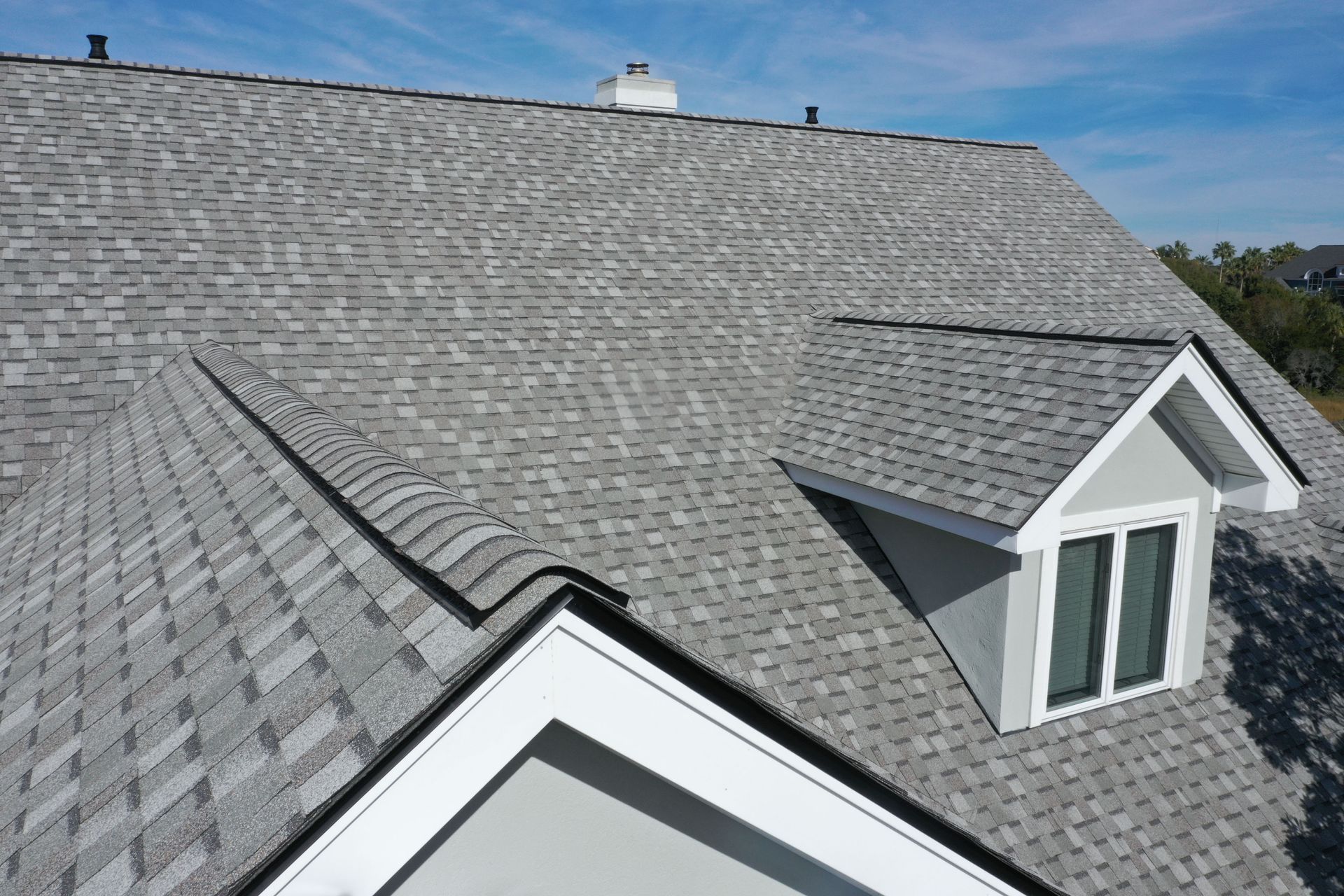
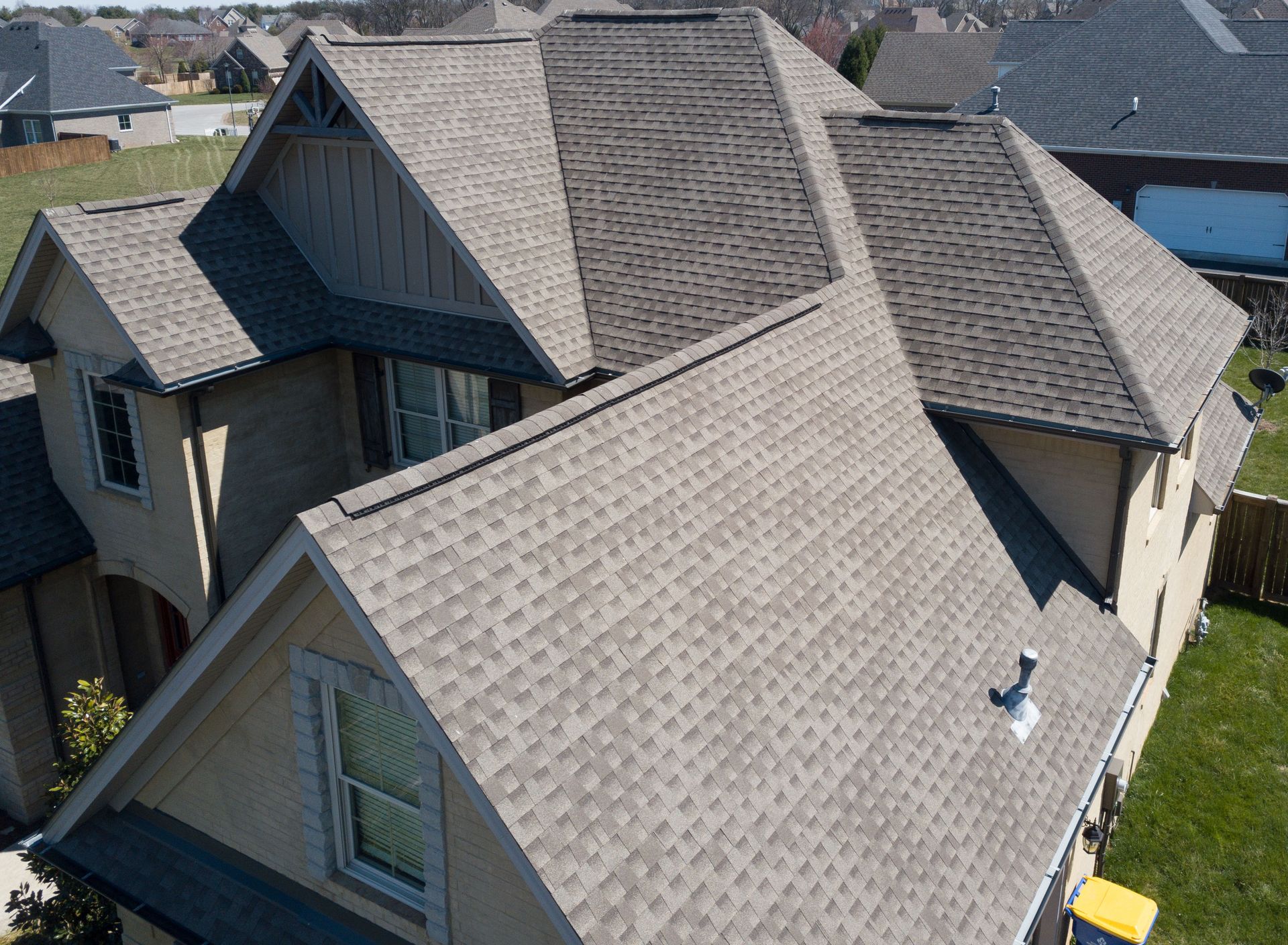
Asphalt shingles also offer a variety of colors, textures, and styles that complement different architectural designs. A well-maintained roof can improve curb appeal while contributing to the property's overall presentation. Although a new roof does not guarantee a specific increase in resale value, it can be a useful selling point when homeowners decide to put their property on the market.
Evaluating Durability and Longevity
Withstanding Changing Weather Conditions
Roofing materials must withstand exposure to rain, wind, sunlight, and temperature fluctuations. Asphalt shingles are manufactured to provide protection against many common weather conditions, making them suitable for a wide range of residential properties. Their layered construction helps direct water away from the roof deck and reduces the potential for moisture intrusion. These protective qualities make asphalt shingle roofing a dependable option for homes exposed to changing seasonal conditions.
Different products also offer varying levels of wind and impact resistance. Some architectural shingles are designed to withstand stronger wind conditions, while impact-resistant options may provide additional protection against hail. Homeowners should consider their regional climate and local building requirements when selecting materials.
Choosing a Suitable Roof Lifespan
The expected lifespan of asphalt shingles depends on their quality, installation, maintenance, and exposure to weather. Standard three-tab shingles generally last around 15 to 20 years, while architectural varieties may provide approximately 25 to 30 years of service. Premium products can offer additional longevity under suitable conditions.
Homeowners should also consider how long they plan to remain in their current property. A basic shingle may meet the needs of someone planning a shorter stay, while a higher-grade product could be a better fit for someone prioritizing extended performance. Understanding these differences helps property owners select asphalt shingle roofing that aligns with their budgets and long-term plans.
Selecting the Right Material Grade
Asphalt shingles are available in several grades, each offering different features and design possibilities. Three-tab shingles provide a traditional appearance and generally represent the most affordable option. Architectural shingles feature a dimensional design and thicker construction, while premium designer shingles offer distinctive textures and styles.
Higher-grade materials may provide improved durability, wind resistance, and visual appeal. However, the most expensive option is not necessarily the right choice for every home. Homeowners should compare product specifications, warranty terms, and installation requirements before making a decision. A roofing contractor can explain the differences and help identify an appropriate material for the property.
Maintaining Roof Performance
Regular maintenance plays an important role in extending a roof's useful life. Homeowners should periodically look for missing or damaged shingles, accumulated debris, and signs of moisture around roof penetrations. Keeping gutters clear and maintaining adequate attic ventilation can also support the roof's overall condition.
Professional inspections are particularly valuable after severe weather. A roofing contractor can identify damage that may not be visible from the ground and recommend repairs when necessary. Addressing minor concerns promptly can help prevent more extensive problems from developing.
Improving Energy Efficiency and Sustainability
Using Reflective Roofing Materials
Some asphalt shingles are manufactured with reflective granules that help redirect sunlight away from the roof. By limiting heat absorption, these products may reduce the amount of heat transferred into the home. This can be especially beneficial during warmer months when cooling systems work harder to maintain comfortable indoor temperatures.
Reflective options are available in different colors and designs, allowing homeowners to consider energy performance without overlooking appearance. However, results depend on several factors, including roof orientation, insulation, ventilation, and local climate. Comparing product specifications can help homeowners determine whether reflective shingles are appropriate for their property.
Supporting Indoor Temperature Control
A roof is one part of a home's overall thermal protection. Asphalt shingles work alongside underlayment, insulation, and ventilation to help manage temperature changes throughout the year. When these components function together properly, they can support more consistent indoor conditions and reduce unnecessary strain on heating and cooling equipment.
Proper attic ventilation is particularly important because trapped heat and moisture can affect roofing materials and indoor comfort. Homeowners considering a replacement should discuss ventilation and insulation conditions with their contractor rather than focusing exclusively on the shingles themselves. Evaluating these components alongside asphalt shingle roofing can help homeowners make more informed decisions about their entire roofing system.
Considering Environmentally Responsible Options
Some manufacturers incorporate recycled materials into asphalt shingles or offer recycling programs for roofing waste. These options can help reduce the amount of material sent to landfills during replacement projects. Product availability and recycling opportunities vary by location, so homeowners may want to discuss these considerations before choosing a roofing system.
Long-lasting materials can also contribute to more responsible resource use by reducing how frequently a roof needs replacement. Selecting durable products, maintaining them properly, and exploring available recycling options can help homeowners make more environmentally conscious decisions.
Choosing a Roofing Upgrade That Fits Your Home
Upgrading to asphalt shingle roofing offers several advantages, including manageable installation costs, dependable weather protection, design flexibility, and a range of material grades. These benefits make asphalt shingles a practical option for homeowners seeking a balance between upfront expenses and long-term performance.
Before beginning a project, homeowners should compare material options, consider local weather conditions, and evaluate the roof's existing structure. Working with an experienced contractor can help clarify installation requirements and identify the products that best suit the property.
For homeowners considering a roof replacement, Wolfe Mottola & Sons Construction can help evaluate available options and plan an upgrade that meets their property's needs. Contact the company to discuss your roofing project and explore the benefits of a new asphalt shingle roof.
Share On: