Should You Repair or Replace Your Roof?
Determining whether to invest in targeted repairs or undertake a comprehensive roof replacement is among the most consequential property maintenance decisions a homeowner will encounter. Your roofing system serves as the primary physical shield protecting structural framing, drywall, interior furnishings, and occupants from severe outdoor weather patterns. Over decades of constant exposure to baking ultraviolet rays, howling winds, driving rain, and winter freeze-thaw cycles, building materials inevitably lose elasticity and water-shedding performance. Ignoring minor shingle degradation can permit moisture to seep into attic spaces, resulting in hidden mold colonization, framing rot, and massive property devaluation. Approaching this choice with technical clarity ensures you allocate home improvement capital strategically while preserving residential safety.
Homeowners frequently struggle to identify the tipping point where recurring patches transition from economical stopgap fixes into wasteful financial burdens. While replacing a handful of wind-torn shingles after a passing storm provides immediate relief at minimal expense, aging assemblies often conceal widespread substrate deterioration beneath their surface. Comprehensive roof evaluations examine material wear, deck deflection, ventilation dynamics, and regional weather factors to establish whether spot repairs remain viable. According to RubyHome, an estimated 5 million roofs are installed each year, underscoring how often property owners ultimately opt for complete structural tear-offs over perpetual patchwork. Consulting experienced professionals offers clarity when evaluating structural longevity versus immediate budgets, allowing owners to make proactive, data-backed decisions that maintain equity and ensure reliable protection.
Assessing the Physical Condition of Your Roof
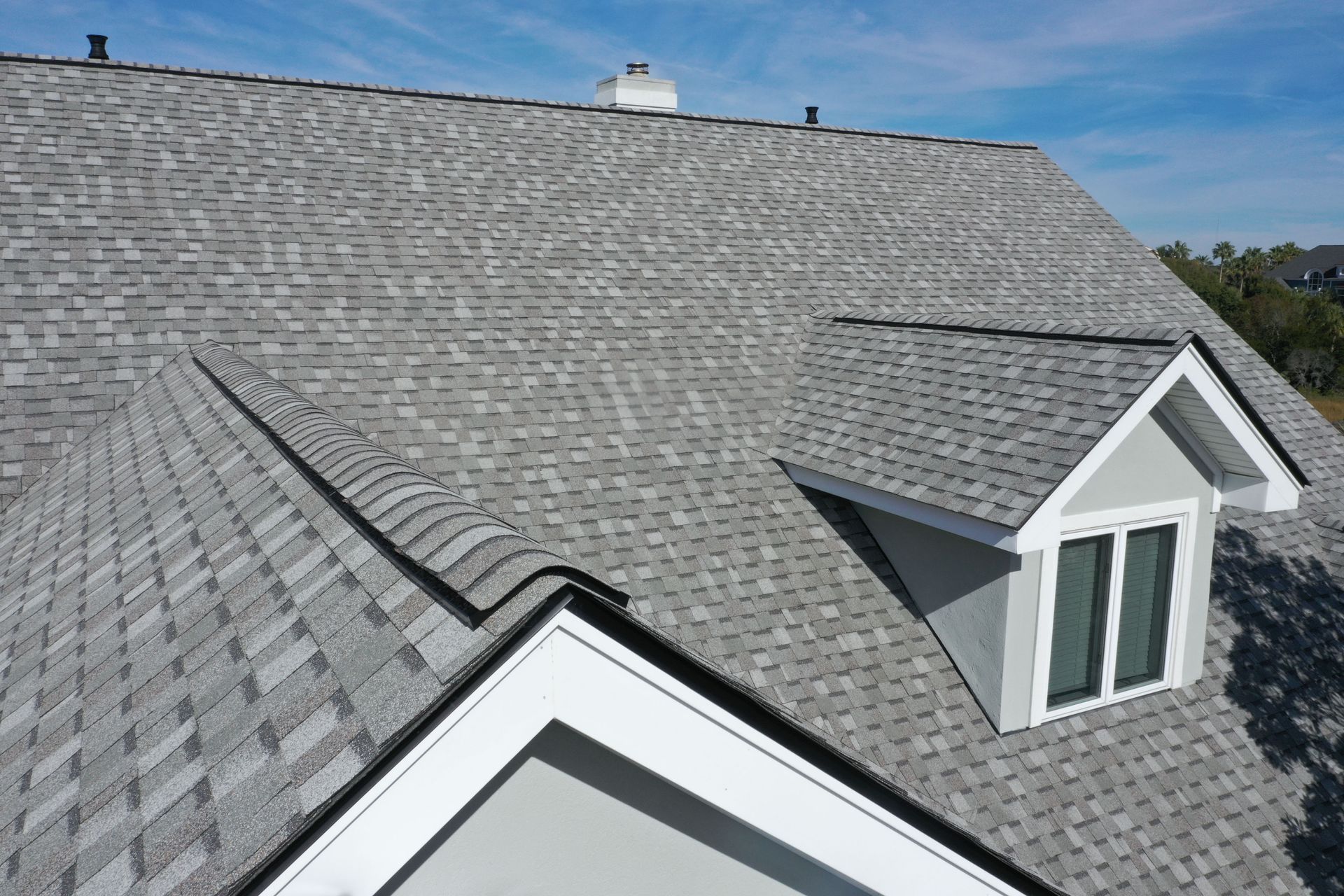
Evaluating the true physical condition of your roof requires a meticulous visual inspection of both exterior surfaces and internal attic spaces. On exterior planes, homeowners should check for telltale signs of material breakdown, including curled, buckled, or missing shingle tabs across valleys and ridges. Examining metal flashing surrounding chimneys, dormers, and vent pipes is critical, as failing sealant or corroded flashing collars represent frequent sources of chronic water intrusion. In gutters and downspouts, heavy deposits of dislodged mineral granules suggest that asphalt coatings have thinned significantly, leaving fiberglass backing mats directly vulnerable to ultraviolet degradation.
Inside the home, evidence of moisture intrusion often presents as damp ceiling discoloration, peeling paint, or musty smells radiating from upper crawlspaces. Checking the attic deck during daylight hours reveals whether pinhole light perforations or active water droplets are penetrating roof sheathing around structural rafters. Sagging ridges or spongy plywood decking indicate that moisture has compromised the timber framework, requiring immediate structural stabilization rather than superficial shingle swapping. A severe storm event can rip away protective layers in seconds, leaving insulation saturated and framing compromised. Engaging reputable roofing contractors to perform thorough on-site physical evaluations ensures that hidden wood rot, structural sag, and subtle moisture migrations are accurately diagnosed before minor roof leaks trigger catastrophic internal drywall collapses.
Evaluating Material Lifespans and Structural Weight
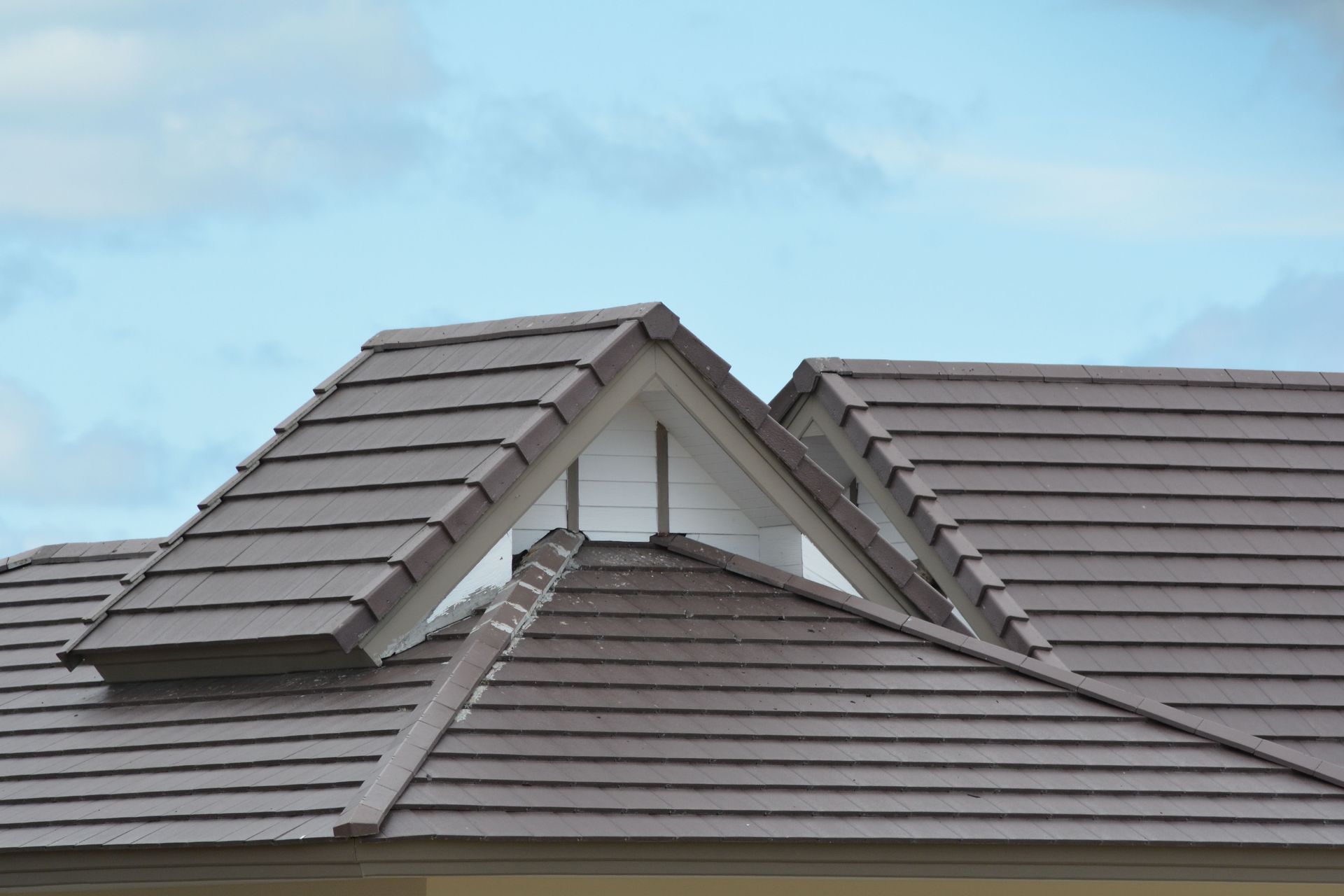
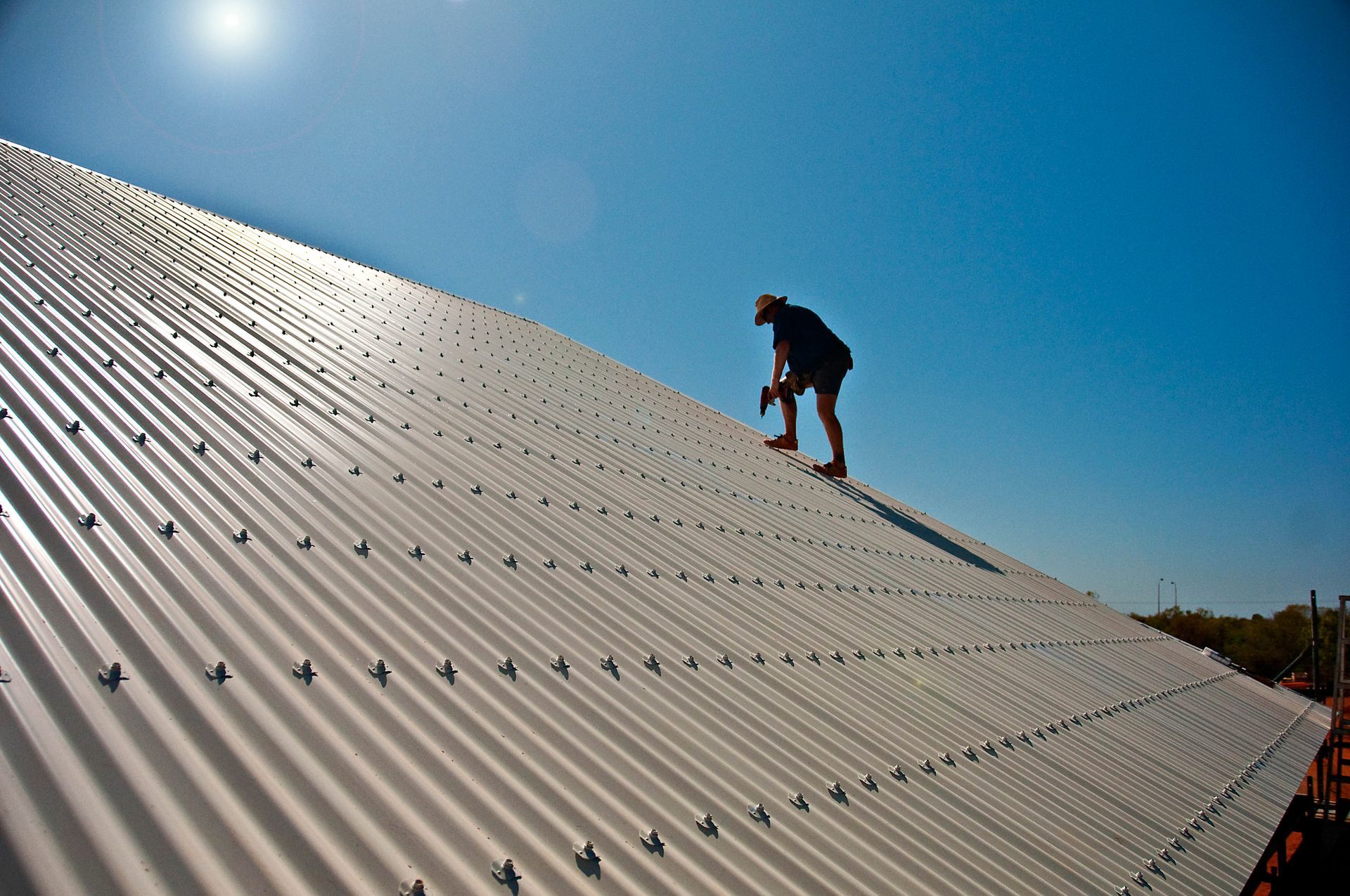
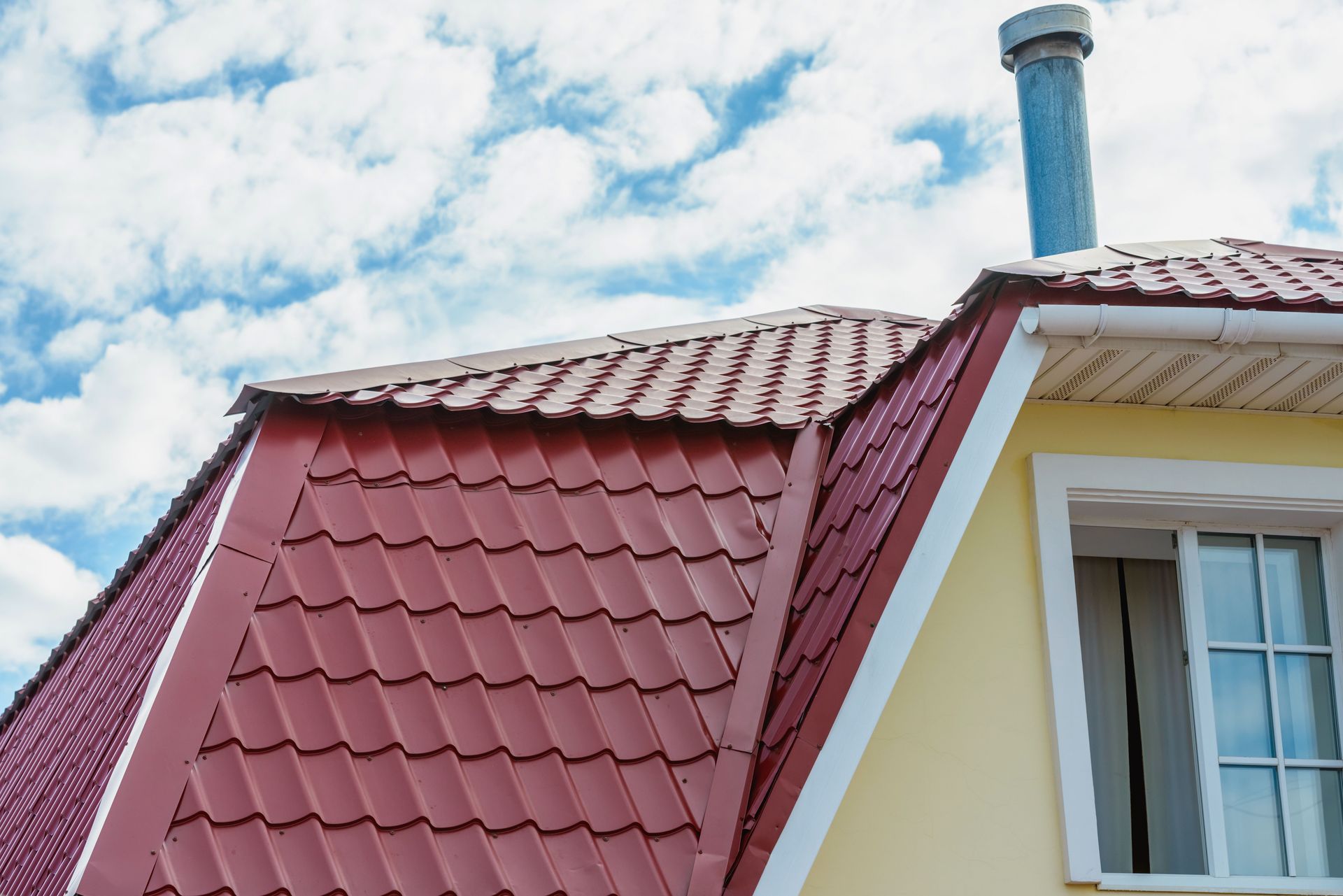
The specific materials installed across your roof planes profoundly influence whether targeted restorations or total teardowns make practical sense. Traditional three-tab asphalt shingles generally provide reliable water resistance for fifteen to twenty-five years, whereas architectural dimensional shingles endure for thirty years under moderate environmental conditions. Heavy-duty alternatives like standing-seam steel, natural quarried slate, and kiln-fired clay tiles easily surpass fifty to one hundred years of functional service when maintained properly.
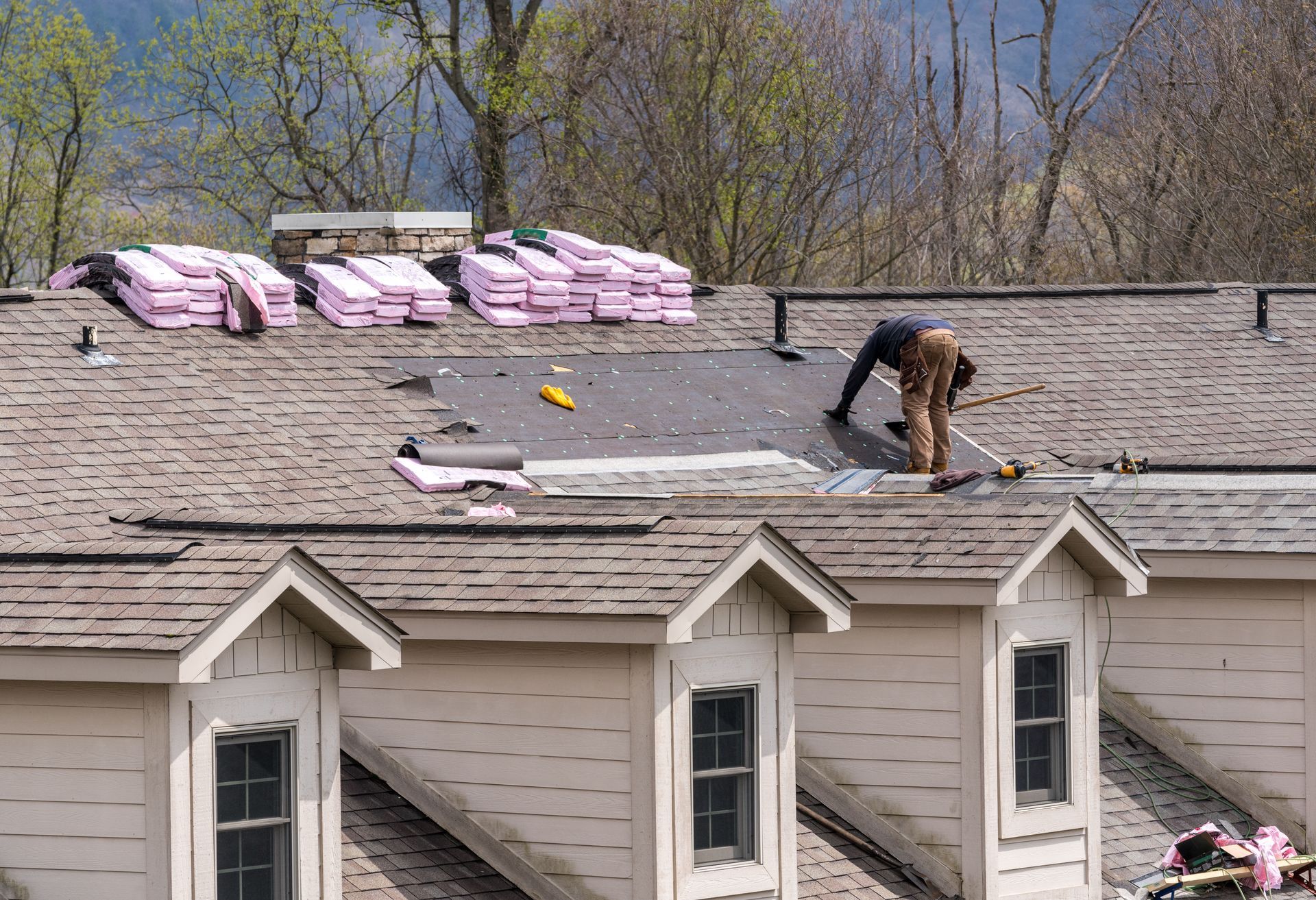
Structural dead-load capacity is an equally critical consideration when contemplating new roofing materials or secondary overlay applications. While installing a secondary layer of asphalt shingles directly over an existing installation avoids immediate tear-off labor expenses, it traps ambient summer heat and adds thousands of pounds of dead weight onto roof trusses. Furthermore, heavy premium materials like natural slate, concrete pavers, or terra-cotta barrel tiles require verified rafter reinforcement to prevent dangerous structural sagging under winter snow loads. Consulting skilled roofing contractors ensures that your home's structural framing can safely bear the physical mass of selected replacement systems.
Factoring Seasonal Weather and Project Timelines
Seasonal weather patterns dictate both the feasibility and long-term success of major exterior roofing projects. Moderate temperatures during spring and early autumn provide ideal conditions for asphalt shingle installations, as thermal heat enables self-sealing adhesive strips to bond shingles together securely without blistering raw coatings. Conversely, executing shingle repairs in sub-freezing winter weather causes rigid asphalt tabs to crack during nailing, while sweltering midsummer heat softens shingles, leaving them prone to scuffing under crew boots.
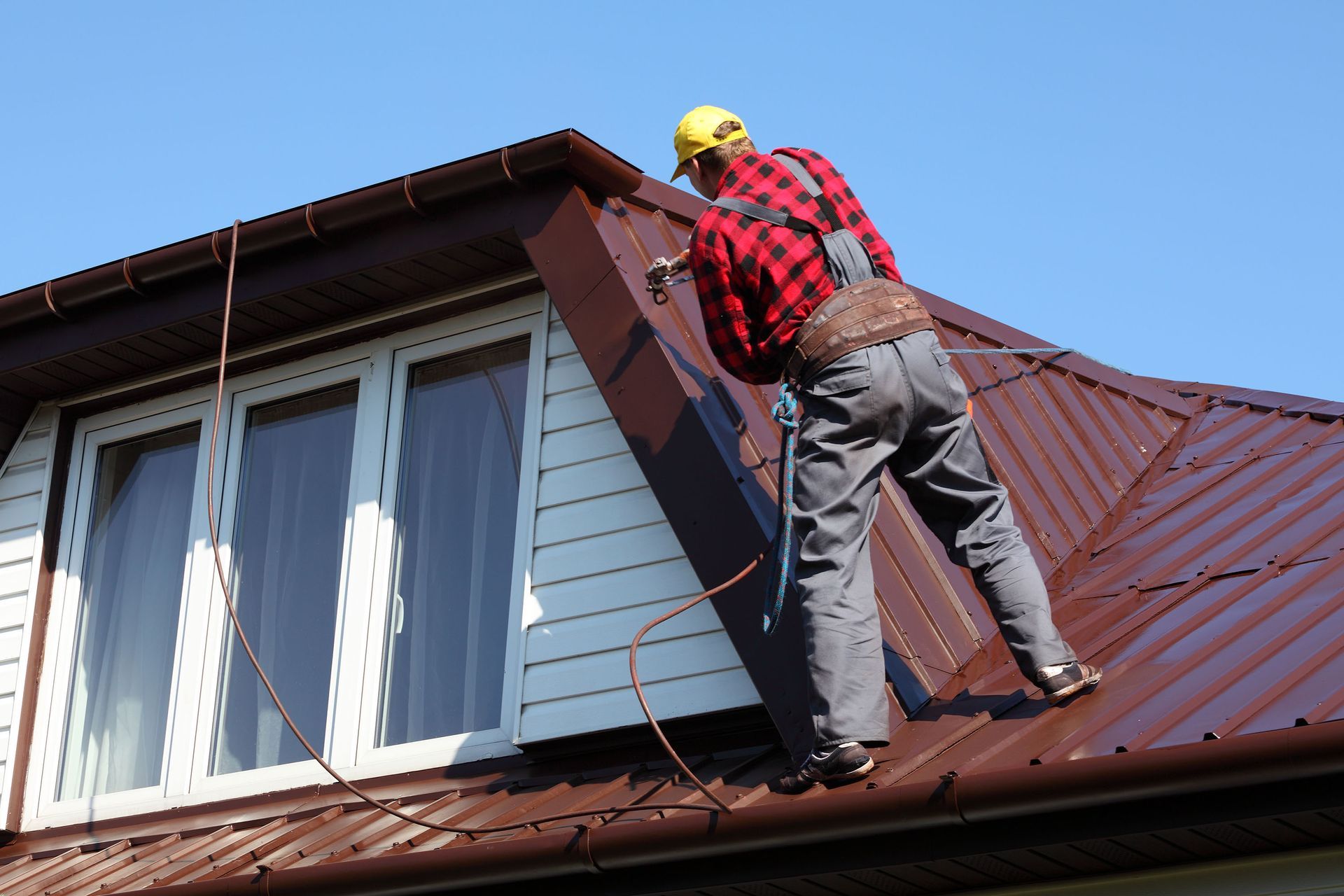
Unforeseen severe weather disasters can immediately force project timelines into sudden emergency repair schedules. Intense windstorms, hail events, or fallen tree limbs create immediate structural breaches that necessitate temporary emergency tarping to prevent rainfall from devastating finished home interiors. While emergency tarps mitigate immediate water penetration, they represent temporary measures rather than durable repairs. Coordinating with reliable roofing contractors ensures rapid post-storm mitigation, proper insurance documentation, and seamless transition from emergency patching to certified structural restoration.
Selecting Qualified and Licensed Roofing Professionals
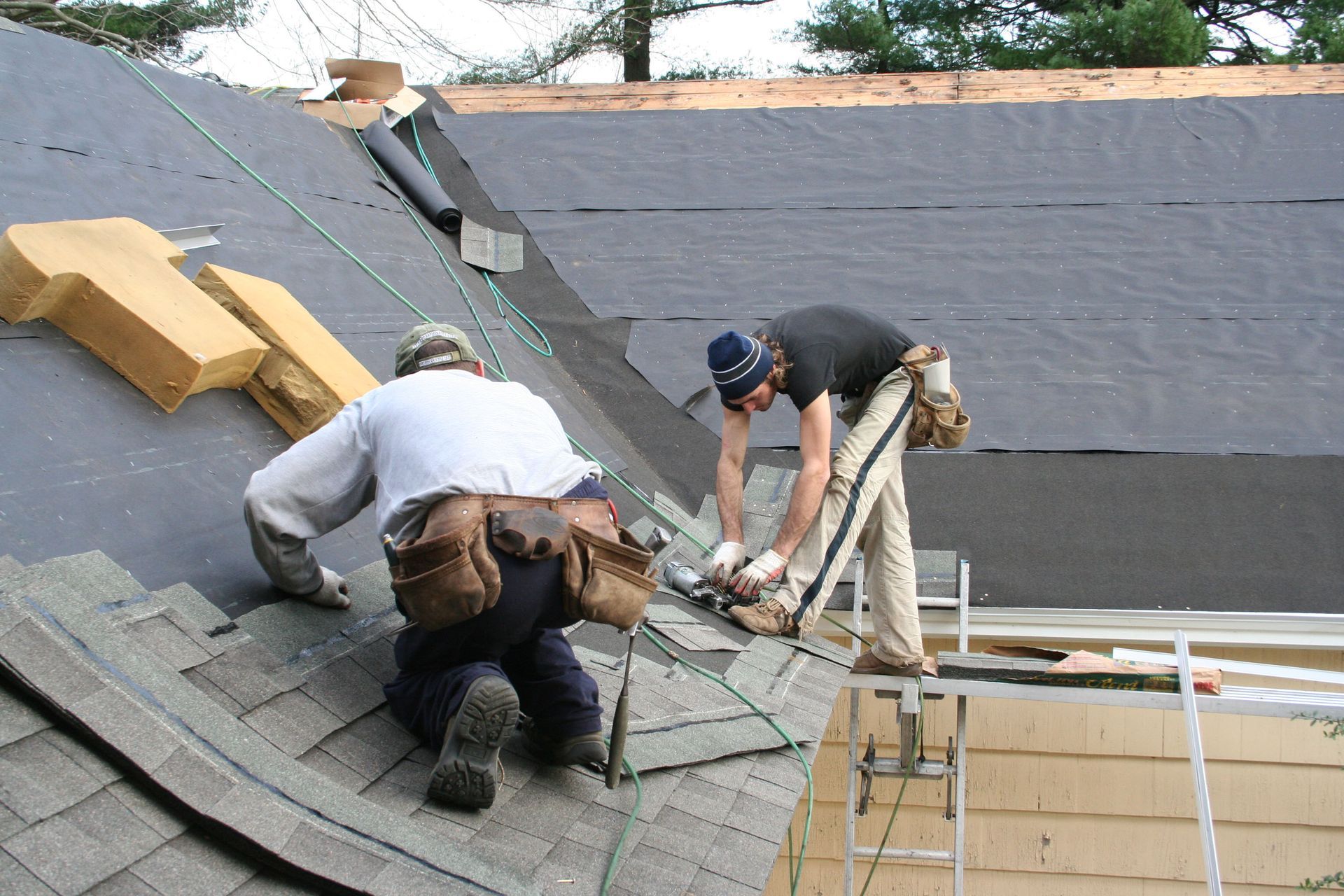
Vetting prospective service providers carefully is vital for ensuring that repairs or replacements comply with strict regional building codes and manufacturer specifications. Unqualified handymen often utilize sub-standard fasteners, neglect necessary valley leak barriers, or fail to secure required municipal building permits, rendering manufacturer warranties completely void. Homeowners should demand verifiable proof of active state contractor licenses, comprehensive commercial general liability coverage, and dedicated workers' compensation insurance before allowing workers onto their property. Partnering with seasoned roofing contractors who maintain manufacturer-certified installer status guarantees access to extended non-prorated factory warranties covering both material defects and labor failures.
Beyond verifying baseline licensing and insurance credentials, examining verified local references and independent consumer reviews provides vital insight into a contractor's professional conduct. Trustworthy roofers deliver detailed, itemized proposals that clearly outline tear-off procedures, brand names, flashing replacements, ventilation improvements, and post-project debris disposal. They maintain transparent lines of communication, establish realistic job timelines, and deploy magnetic sweepers across surrounding lawns to collect hazardous fallen nails. Establishing formal agreements with verified roofing contractors shields homeowners from unexpected cost overruns, poor craftsmanship, and contentious mechanic's liens, ensuring that every dollar invested in your roof yields flawless construction quality and lasting peace of mind.
Establishing Proactive Roof Maintenance Protocols
Implementing a disciplined regimen of preventative maintenance is the most effective approach for extending the operating lifespan of both patched and brand-new roofs. Homeowners should perform semi-annual perimeter inspections every spring and autumn, utilizing binoculars to examine shingle alignments, ridge caps, and pipe boots safely from ground level. Keeping rooftop planes clear of damp fallen leaves, pine needles, and moss accumulations prevents moisture retention that accelerates organic rotting along shingle edges. Additionally, scheduling professional arborists to trim overhanging tree branches prevents heavy limbs from scraping protective shingle granules away during wind events, while eliminating convenient pathways for destructive pests.
Sustaining clean, unobstructed gutter and downspout channels represents an equally indispensable maintenance habit that defends your home from water damage. When leaves and debris choke drainage troughs, heavy rainwater backs up beneath shingle eaves, rotting underlying fascia boards and saturating wooden soffits. Ensuring that downspouts channel torrential stormwater several feet away from exterior foundation footings prevents basement flooding and structural settling. Combining routine gutter cleaning with periodic evaluations from licensed roofing contractors ensures minor surface flaws are resolved before moisture penetrates interior spaces.
Deciding whether to spot-repair or fully replace an aging roof requires a thorough balance of structural inspections, financial projections, material lifespans, and professional diagnostics. While minor flashing adjustments or isolated shingle patches make practical sense for young roofs, pervasive leaks and brittle asphalt indicate that a comprehensive replacement is the safest, most economical choice. Investing in a brand-new roof preserves market equity, enhances interior comfort, and delivers lasting peace of mind backed by certified manufacturer warranties. When your home requires precision inspections, honest condition assessments, or flawless installation from experienced roofing contractors, entrust your home to the dedicated building professionals at Wolfe Mottola & Sons Construction.
Share On: