7 Roofing Problems That Should Never Be Ignored
A roof protects a home from rain, wind, snow, and other environmental conditions, making its overall condition essential to the property's safety and structural integrity. However, many roofing problems develop gradually, allowing minor damage to become increasingly expensive if left unaddressed. Recognizing the warning signs of roof deterioration can help homeowners take timely action and avoid unnecessary repairs. Understanding which issues require immediate attention also makes it easier to determine when to contact experienced roofing companies for professional assistance.
1. Recognizing Persistent Roof Leaks
Roof leaks are among the most important problems homeowners should never ignore. Even a relatively small leak can allow moisture to enter the roof structure, damaging insulation, drywall, ceilings, and wooden framing. Over time, continued water exposure can also contribute to mold growth and wood deterioration, potentially creating more extensive problems throughout the home.
Some common indicators of a roof leak include:
- Brown or yellow stains appearing on ceilings and walls.
- Peeling paint or bubbling drywall near the ceiling.
- Damp insulation or musty odors inside the attic.
- Water dripping from ceilings during or after rainfall.
Although these warning signs may initially appear minor, they often indicate that water has already penetrated the roofing system. Homeowners should arrange a professional inspection to identify the source of the moisture and determine the appropriate repairs.
Reliable roofing companies understand that identifying the actual entry point is essential to preventing recurring leaks. Addressing the underlying problem rather than simply covering visible water stains helps protect the home's interior and structural components.
2. Identifying Missing or Damaged Shingles
Shingles provide an important protective barrier against moisture, wind, and other outdoor elements. When individual shingles become cracked, curled, loose, or completely detached, the underlying roofing materials become more vulnerable to environmental damage.
Missing shingles are particularly concerning because they expose portions of the roof to direct moisture. During heavy rainfall, water can seep beneath the surrounding shingles and reach the roof decking. Strong winds can also lift neighboring shingles, causing damage to spread across a larger section of the roof.
Homeowners should periodically look for visible shingle deterioration from the ground. Finding shingle fragments in the yard or noticing uneven areas along the roofline can also indicate a problem.
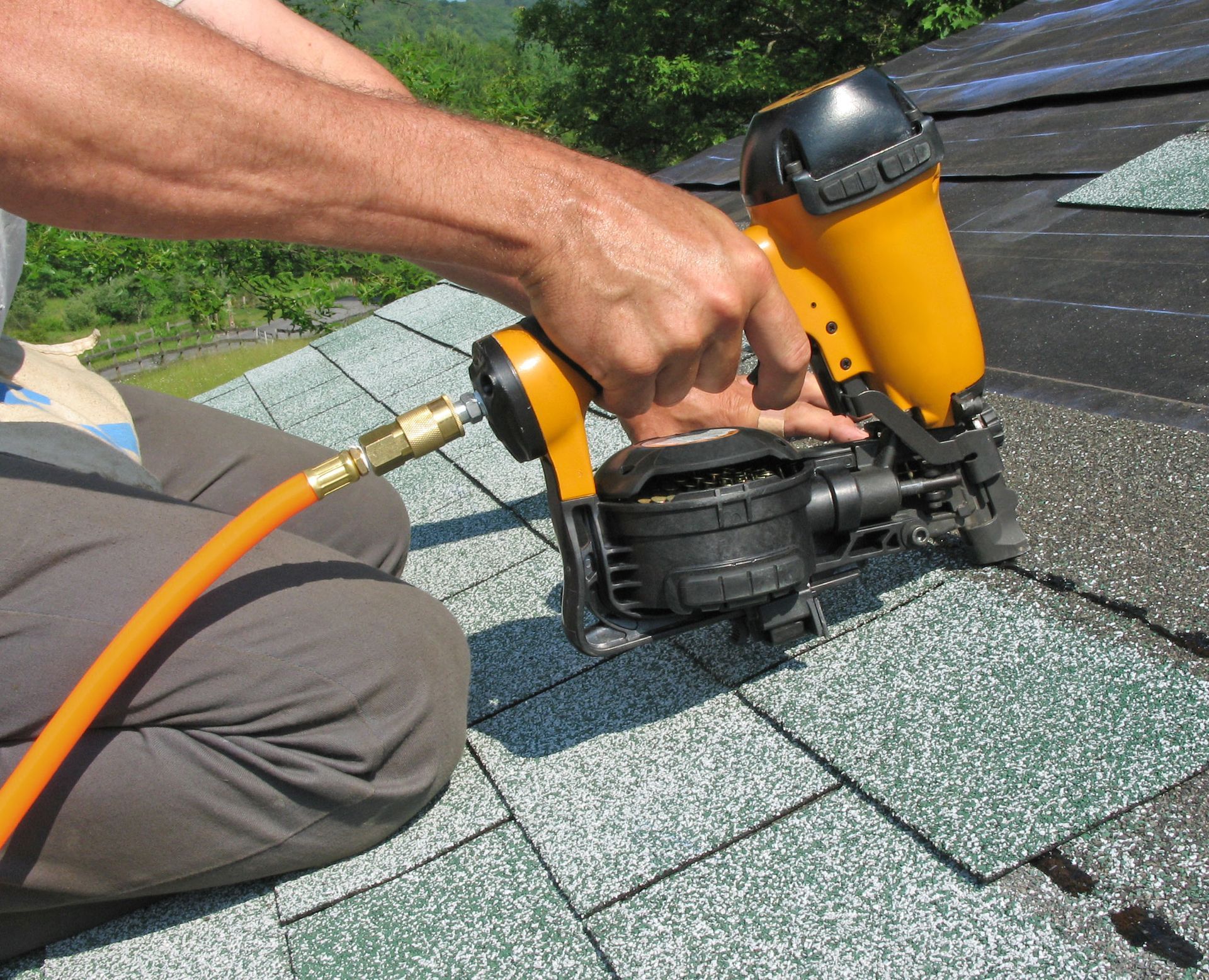
Professional roof repairs can address localized damage before it compromises the entire roofing system. Experienced roofing companies can evaluate the affected areas, determine whether replacement shingles are appropriate, and restore the roof's protective barrier.
3. Monitoring Sagging Roof Sections
A sagging roofline is a serious warning sign that should never be overlooked. Unlike minor cosmetic damage, visible dips or uneven sections can indicate problems involving the roof decking, support structures, or underlying framing.
Several factors may contribute to roof sagging, including prolonged exposure to moisture, excessive weight, deteriorating construction materials, and inadequate structural support. When water repeatedly enters the roofing system, wooden components can weaken or deteriorate, reducing their ability to support the roof properly.
Homeowners should pay attention to changes in the roof's appearance, particularly along ridges and larger sections of the roof. Sagging ceilings inside the home may also indicate structural concerns that require further evaluation.
This type of damage should receive prompt professional attention. Attempting to repair structural problems without understanding their underlying causes can create additional risks. A qualified contractor can assess the affected areas and recommend appropriate repairs or roof replacement when necessary.
4. Addressing Damaged Roof Flashing
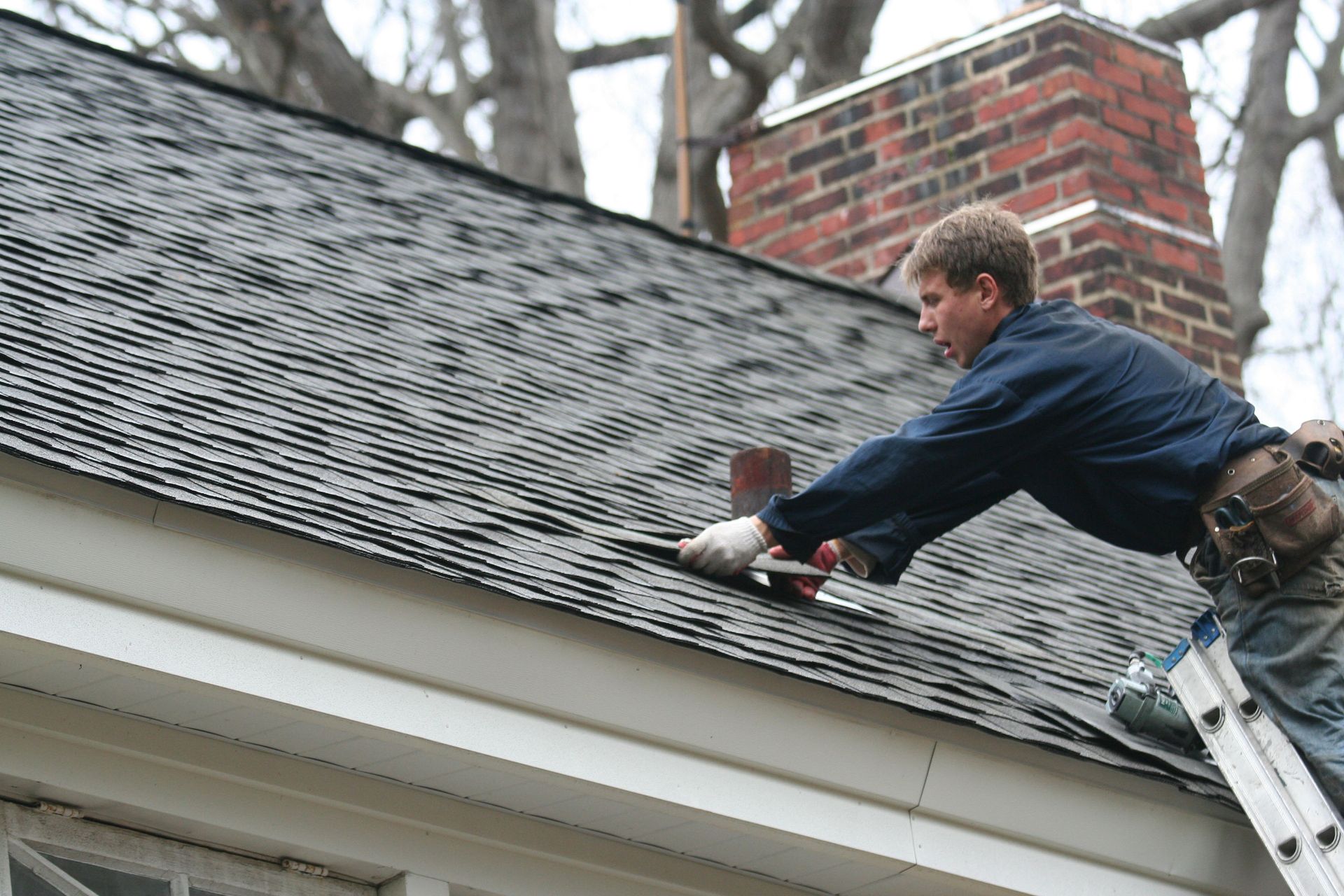
Roof flashing is designed to prevent water from entering vulnerable areas where roofing materials meet other surfaces. It is commonly installed around chimneys, vents, skylights, and roof valleys to direct water away from openings and seams.
When flashing becomes loose, cracked, corroded, or improperly sealed, moisture can enter the roofing system. These problems may produce leaks that are difficult to identify because water can travel beneath roofing materials before becoming visible inside the home.
Some warning signs of flashing damage include:
- Water stains near chimneys or skylights.
- Rust or visible deterioration around metal flashing.
- Loose materials surrounding roof penetrations.
- Recurring leaks in the same general area.
Because flashing protects some of the roof's most vulnerable points, even relatively small defects can cause significant moisture damage. Homeowners should have these areas inspected whenever leaks develop or visible deterioration appears.
Qualified roofing companies can determine whether existing flashing needs resealing, repair, or replacement. Addressing these concerns early helps maintain the roof's ability to direct water away from the home.
5. Preventing Excessive Moss and Algae Growth
Moss, algae, and other organic growth can create problems when they accumulate on roofing materials. These organisms commonly develop in damp, shaded areas where moisture remains on the roof for extended periods.
Moss is particularly concerning because it can retain moisture against shingles and gradually work beneath their edges. As it spreads, moss may lift roofing materials, interfere with proper drainage, and increase the likelihood of water penetration. Algae growth may not cause the same physical damage, but dark streaks can affect the roof's appearance and indicate persistent moisture conditions. Both issues deserve attention, especially when growth becomes widespread.
Homeowners should avoid aggressively scraping or pressure-washing shingles because these methods can damage protective granules and shorten the roof's lifespan. Instead, appropriate cleaning methods and professional recommendations can help address the growth without unnecessarily damaging roofing materials. Keeping surrounding gutters clear and addressing drainage concerns can also reduce conditions that encourage excessive organic growth.
6. Investigating Damaged Roof Ventilation
Proper ventilation plays an important role in maintaining a healthy roofing system. It allows excess heat and moisture to escape from the attic, helping regulate indoor temperatures and protect roofing materials from premature deterioration.
When ventilation becomes inadequate, heat and moisture can accumulate in the attic. During colder months, trapped warm air may contribute to condensation and moisture buildup. In warmer weather, excessive attic temperatures can increase the strain on cooling systems and affect household comfort.
Warning signs of ventilation problems include excessive attic humidity, condensation on roof decking, musty odors, and visible moisture around ventilation openings. Homeowners should also watch for deteriorating roofing materials and unusually high indoor temperatures. These conditions may indicate that attic airflow requires further evaluation.
Professional inspections can help identify ventilation deficiencies and determine whether adjustments are needed. Roofing companies can evaluate the relationship between existing ventilation components and the overall roofing system, helping homeowners address conditions that may contribute to premature roof deterioration.
7. Responding to Severe Storm Damage
Severe weather can cause sudden roofing problems that require immediate attention. Heavy rain, hail, strong winds, and falling branches can damage shingles, flashing, gutters, and other roofing components.
Some storm-related damage is immediately noticeable, such as missing shingles or fallen tree limbs. However, hail impacts and wind damage may create less obvious defects that become problematic during subsequent rainfall.
After severe weather, homeowners should look for visible changes, including displaced shingles, damaged roof edges, loose materials, and debris accumulation. Water stains or new leaks inside the home may also indicate that the roofing system has been compromised.
According to HomeGuide, repairing a roof is generally the more practical option when damage affects less than 25% of its surface, repair expenses remain below 30% of the cost of a complete replacement, and the roof is less than 20 years old. These considerations can help homeowners evaluate their options, although the roof's overall condition and the extent of any structural damage should also influence the decision.
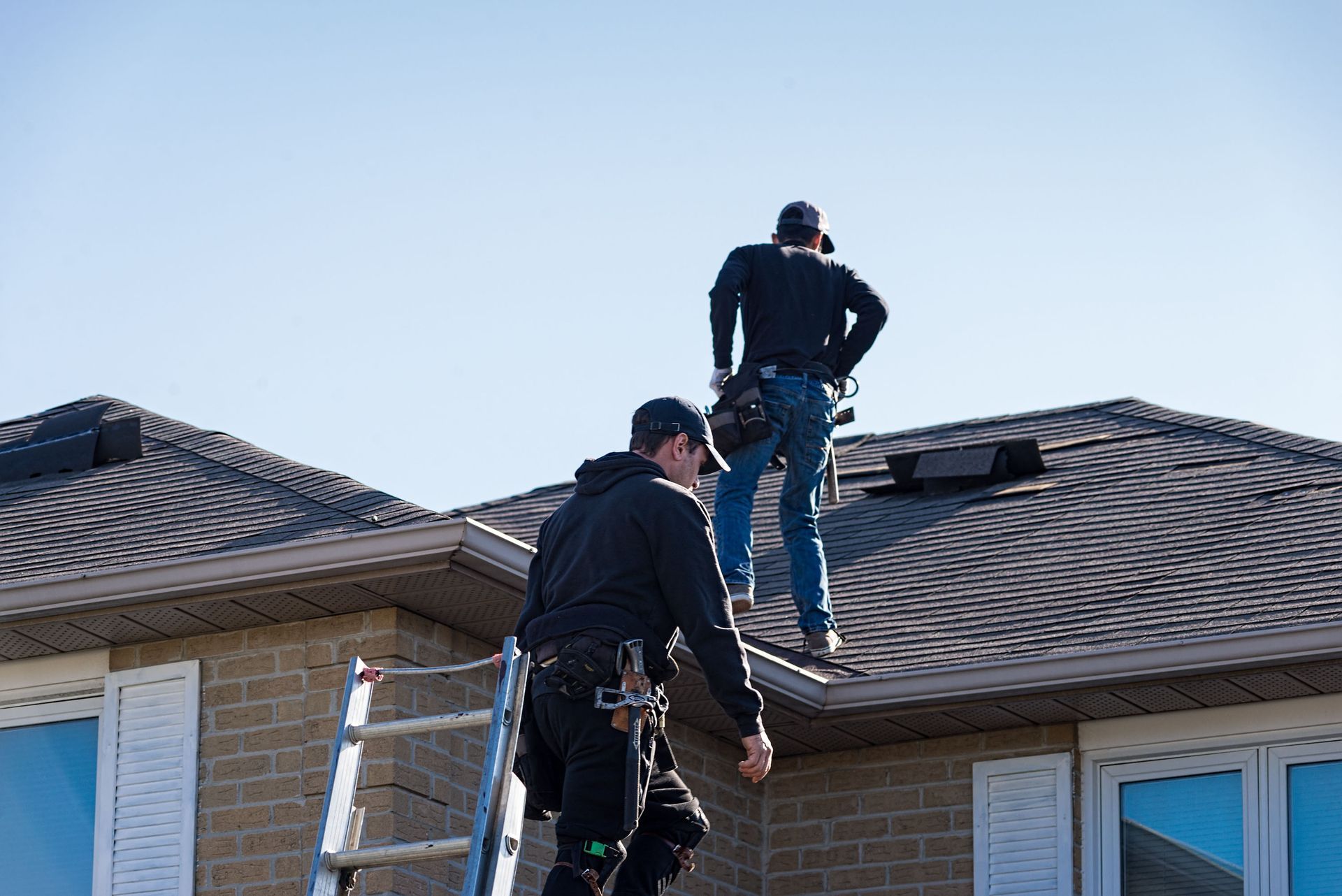
Following a storm, homeowners should arrange a professional assessment rather than assuming the roof is undamaged because no immediate leaks are visible. Experienced roofing companies can identify hidden problems and recommend repairs or replacement based on the property's specific needs.
Protecting Your Home With Timely Roofing Attention
Ignoring roofing problems can allow relatively minor defects to develop into expensive property damage. Persistent leaks, damaged shingles, structural concerns, deteriorating flashing, organic growth, ventilation problems, and storm damage all deserve appropriate attention. Recognizing these warning signs and arranging professional evaluations can help homeowners preserve their roofing systems and avoid preventable complications. Experienced roofing companies can identify developing issues, recommend appropriate repairs, and help extend the life of a roof. When roofing concerns arise, contact Wolfe Mottola & Sons Construction to schedule a professional roofing assessment and discuss reliable solutions to protect your home.
Share On: