
What to Expect When Replacing Your Roof
Replacing a roof is a significant home improvement project, and knowing what to expect can make the experience feel much more manageable. A roof replacement involves more than simply changing the visible roofing materials. The project can include evaluating existing conditions, preparing the property, removing old materials, examining the roof structure, installing the new roofing system, and completing a final review.
The timeline depends on factors such as roof size, material selection, weather, and existing conditions. According to Medium, installing a new roof can take between three and seven days. Experienced roofing contractors can explain how these factors relate to your property and provide realistic expectations before work begins. Knowing what typically happens throughout a roof replacement can help homeowners prepare for the temporary changes that accompany the project.
Expecting an Initial Roof Evaluation
Reviewing Existing Conditions
Before replacement begins, the existing roof needs to be evaluated. Its age, visible deterioration, previous repairs, and overall condition can provide useful information about the scope of the upcoming project. This assessment helps establish what needs attention and whether there are concerns that require additional consideration.
Discussing Roofing Materials
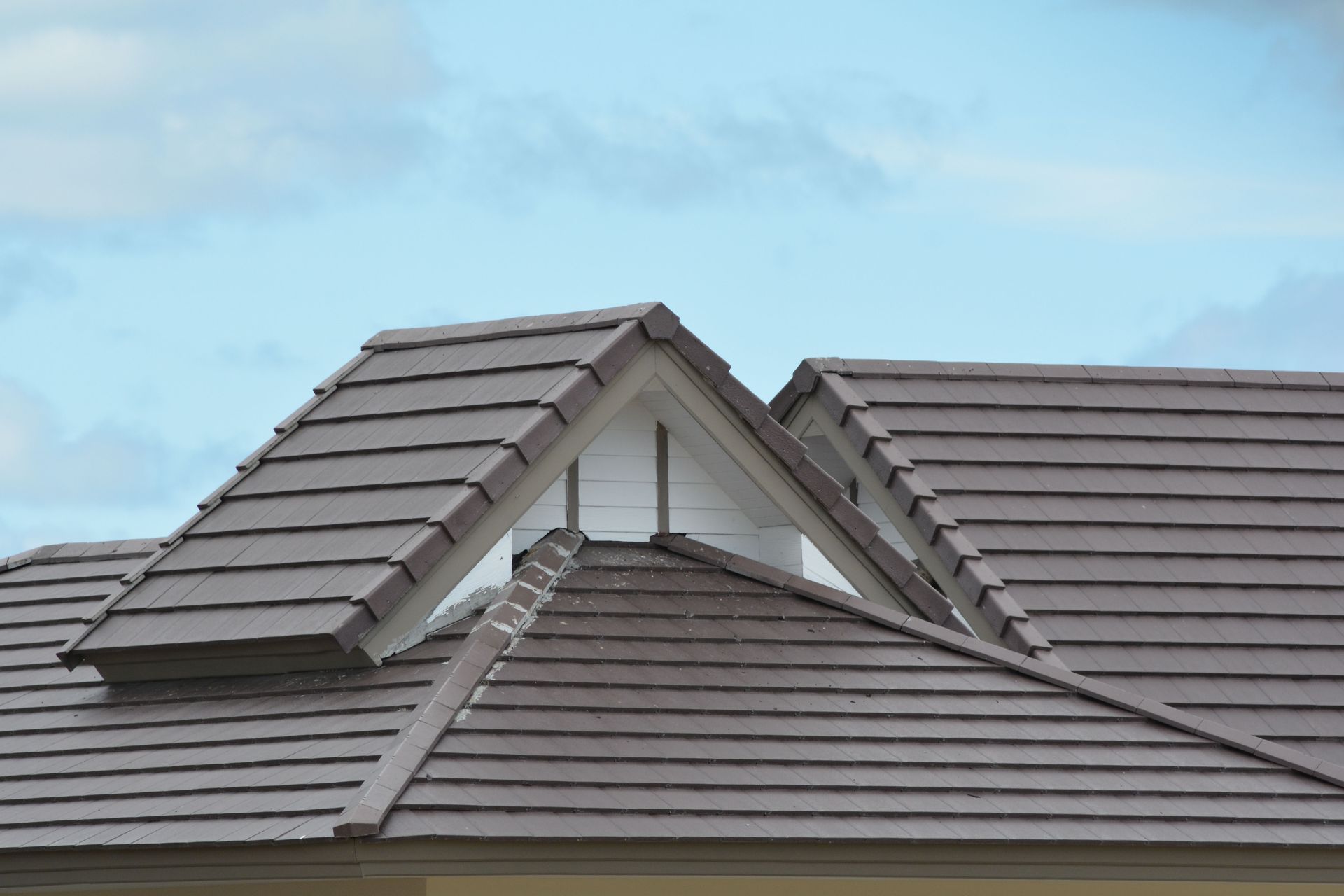
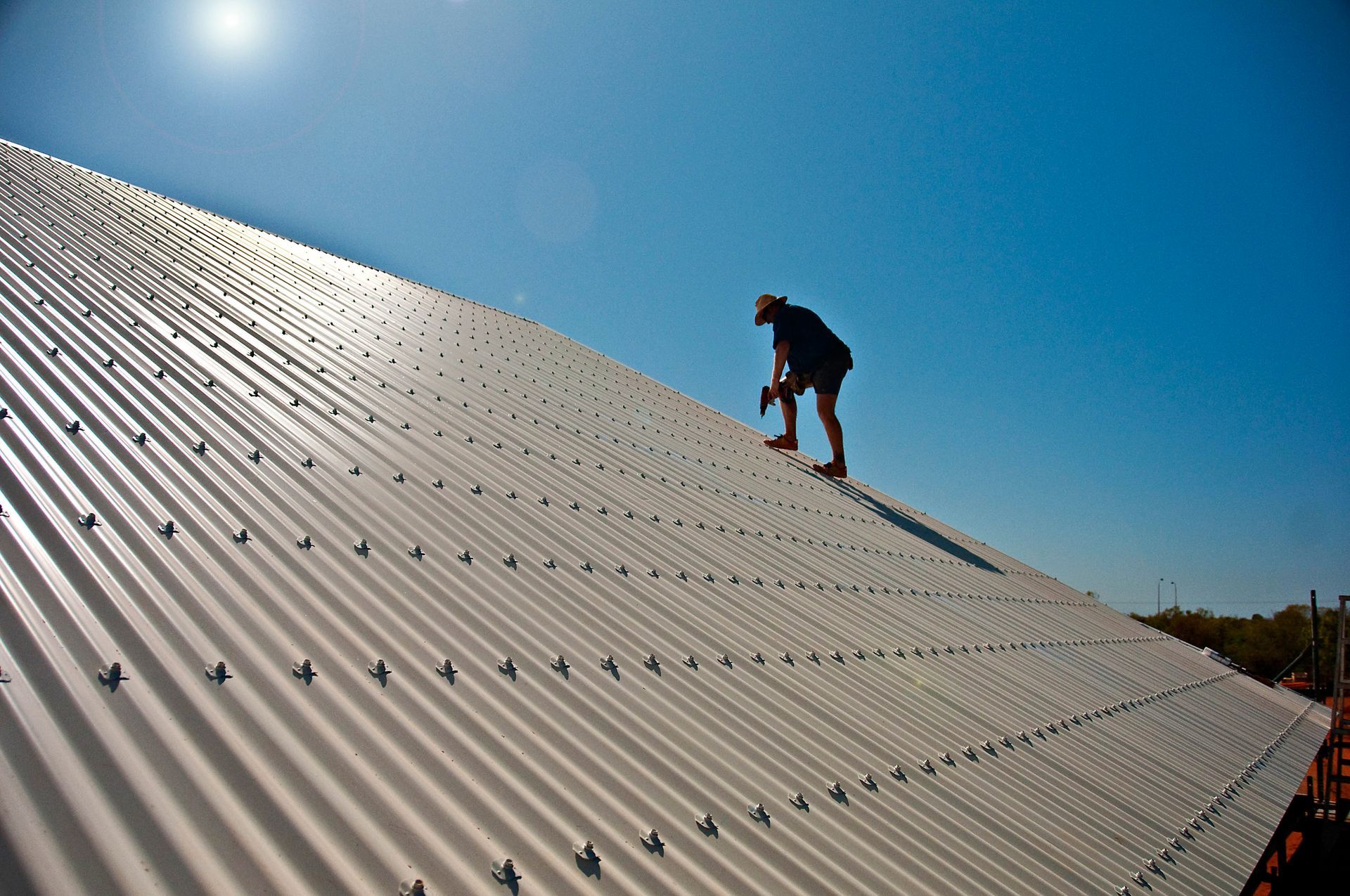
Homeowners can expect to discuss available roofing materials and how different options relate to their property. Appearance, durability, maintenance expectations, and compatibility with the home's design can influence material selection. A professional can explain relevant differences so homeowners can make an informed decision.
Reviewing Project Expectations
Roofing contractors can discuss the anticipated scope of work, general timeline, property access, and other project details before installation starts. Clear expectations are valuable because homeowners can better anticipate how the project will affect normal routines while work is underway.
Addressing Initial Questions
The planning stage provides an opportunity to discuss concerns about the roof replacement. Homeowners can ask about materials, scheduling, property protection, cleanup, and other aspects of the project. Having these conversations beforehand can reduce uncertainty once the activity begins.
Expecting Property Preparation Before Work
Preparing the Work Area
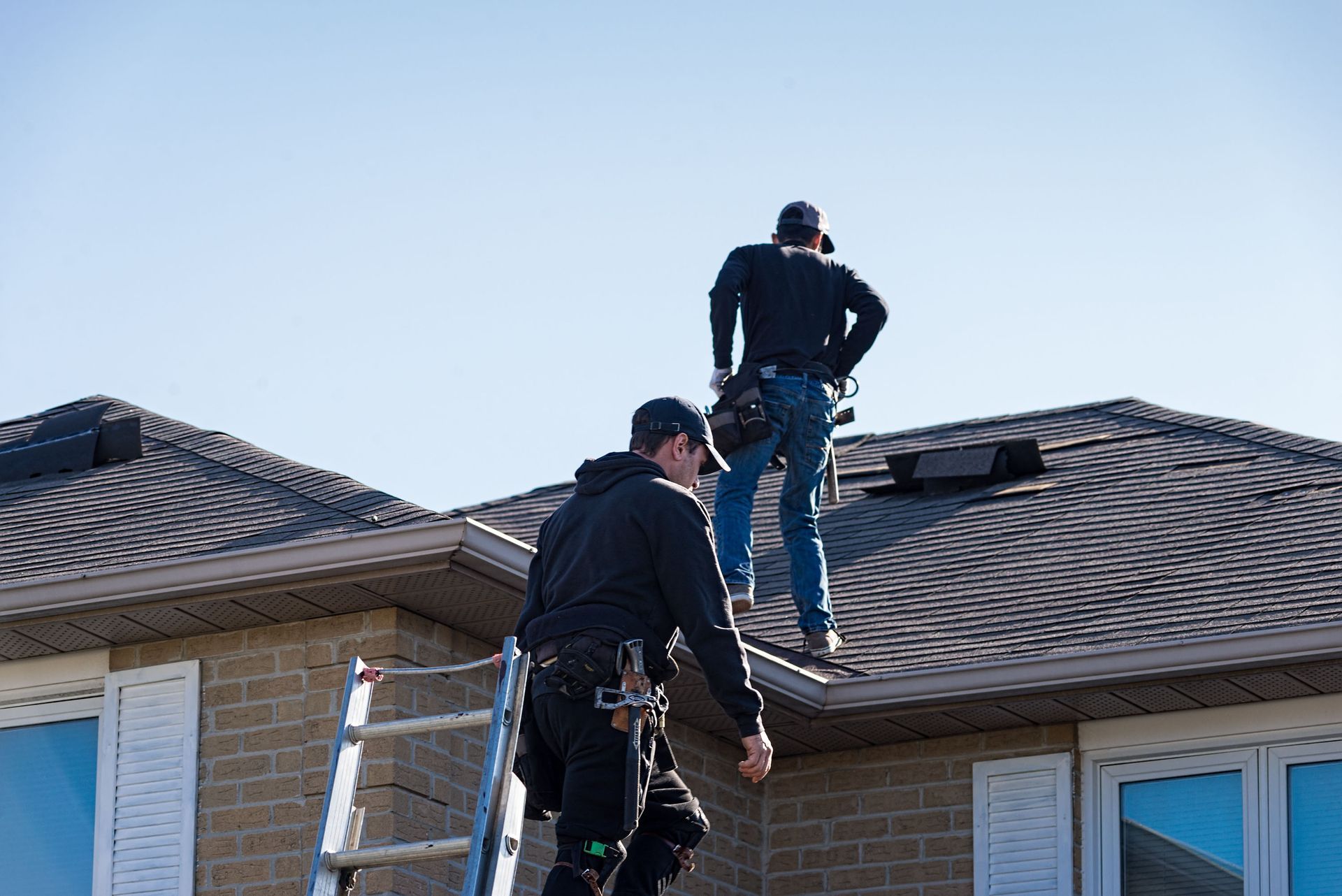
A roofing project requires sufficient space for workers, equipment, and materials. The crew will need appropriate access to the structure throughout the replacement. Homeowners should expect increased activity around the exterior of the property as materials arrive and work gets underway.
Protecting Surrounding Areas
Roof replacement can produce old roofing materials, nails, and other debris. Professional roofing contractors account for the surrounding areas when organizing the job site. Landscaping, walkways, siding, and other exterior features can all influence how the property is prepared for the project.
Managing Material Deliveries
New roofing materials need to be delivered and stored appropriately before or during installation. Depending on the project, homeowners may notice materials, equipment, or disposal containers temporarily occupying part of the property. These changes are generally limited to the duration of the work.
Anticipating Temporary Disruption
Roof replacement is an active construction project, so some noise and disruption should be expected. Crews will be working directly above occupied areas of the home. Knowing this beforehand can help household members anticipate changes to their normal environment during working hours.
Expecting Removal of Existing Roofing
Removing Old Materials
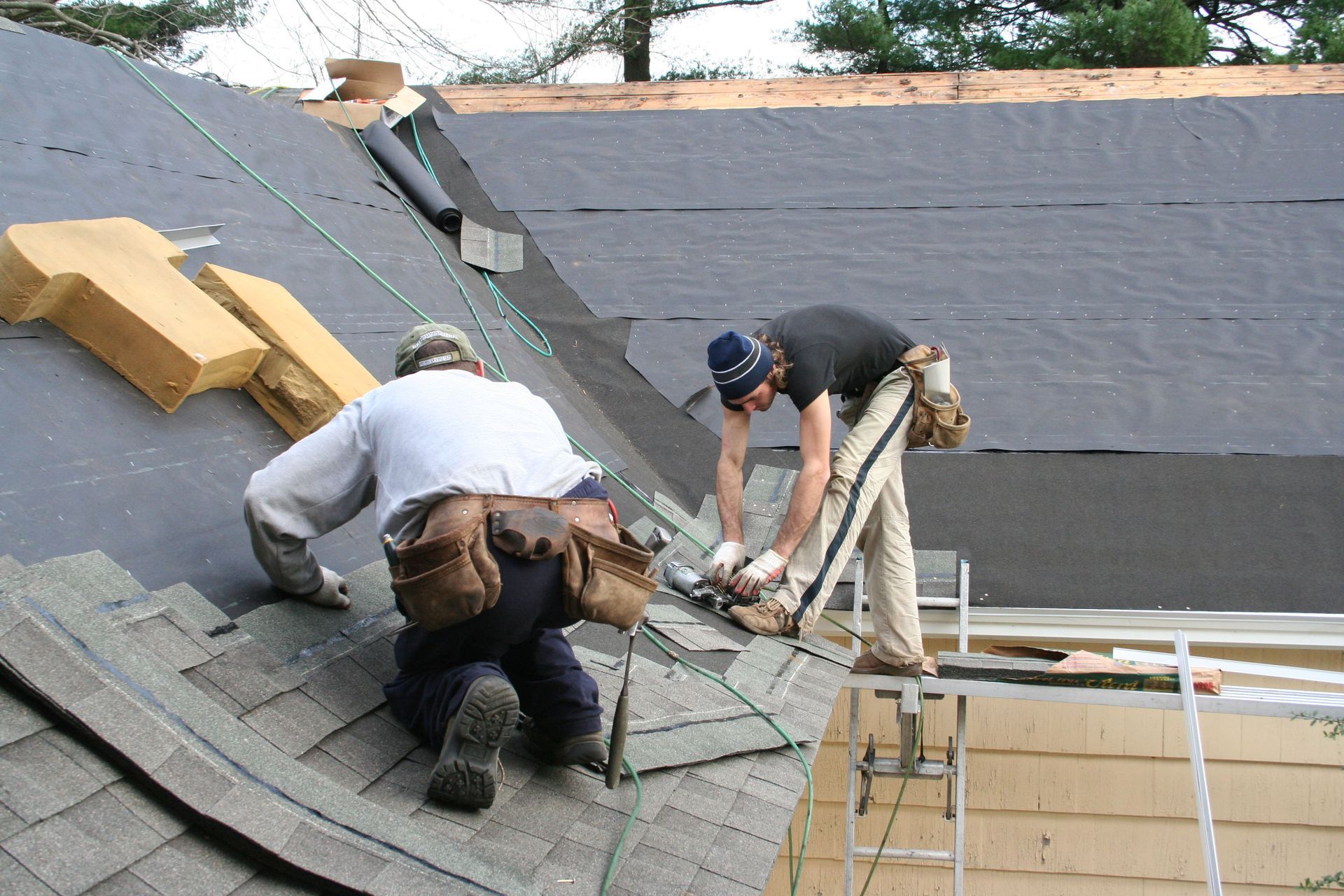
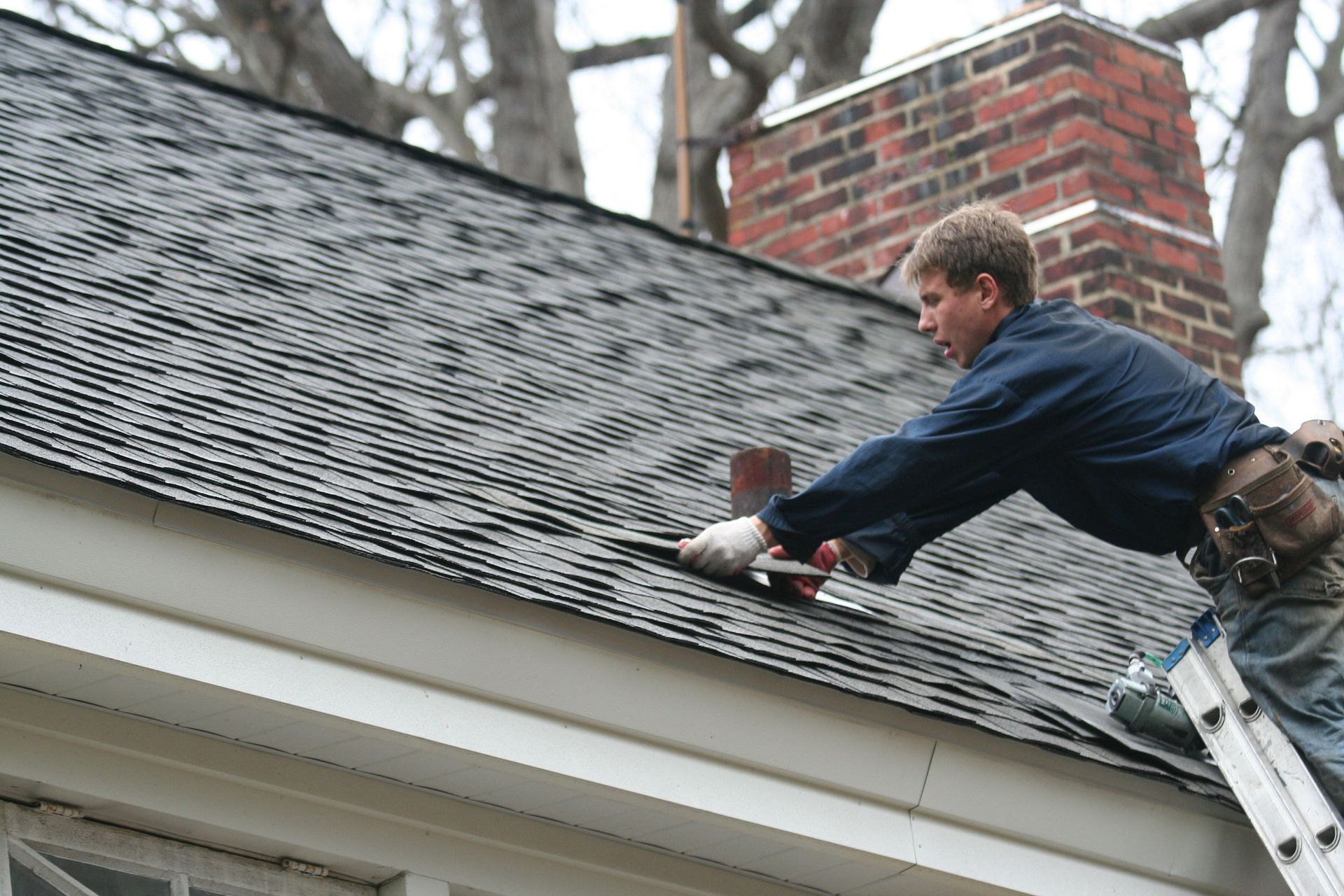
Existing roofing materials generally need to be removed so the underlying areas can be evaluated and the replacement system can be installed appropriately. This stage can create considerable activity around the property as old materials are taken from the roof and collected for disposal.
Exposing Underlying Areas
Removing the old roof gives roofing contractors an opportunity to see areas that were previously concealed. Conditions beneath roofing materials aren't always apparent during an exterior inspection, which is why the removal stage can reveal information that affects the project.
Identifying Hidden Damage
Moisture exposure or deterioration can sometimes remain hidden until existing materials are removed. If unexpected damage is discovered, the homeowner can expect communication about the condition and how it could affect the planned replacement before additional work proceeds.
Managing Removed Materials
Roof removal generates debris that needs to be managed throughout the project. Keeping the removed material organized helps maintain a more controlled work area. Homeowners can expect cleanup to occur as the project progresses rather than having old roofing remain around the property indefinitely.
Expecting Installation of the New Roof
Preparing the Roof Surface
Once existing materials have been removed and underlying conditions addressed, the roof can be prepared for its new system. This portion of the project creates the foundation for the materials that will ultimately form the finished roof.
Installing Roofing Components
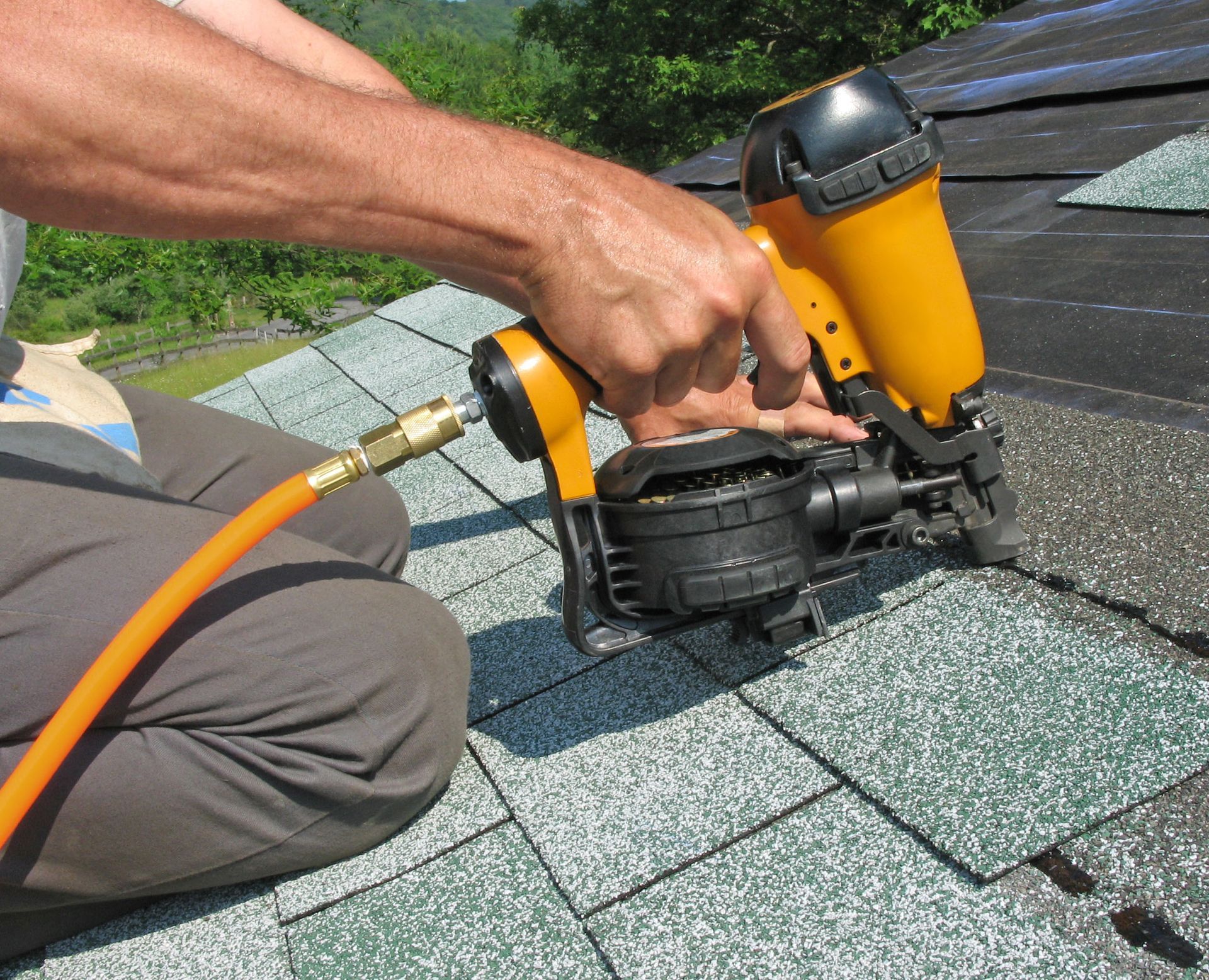
A roofing system consists of more than its most visible surface material. Professional roofing contractors install the necessary components according to the requirements of the particular roof and selected materials. Homeowners can expect the appearance of the roof to change progressively as installation moves across the structure.
Addressing Roof Features
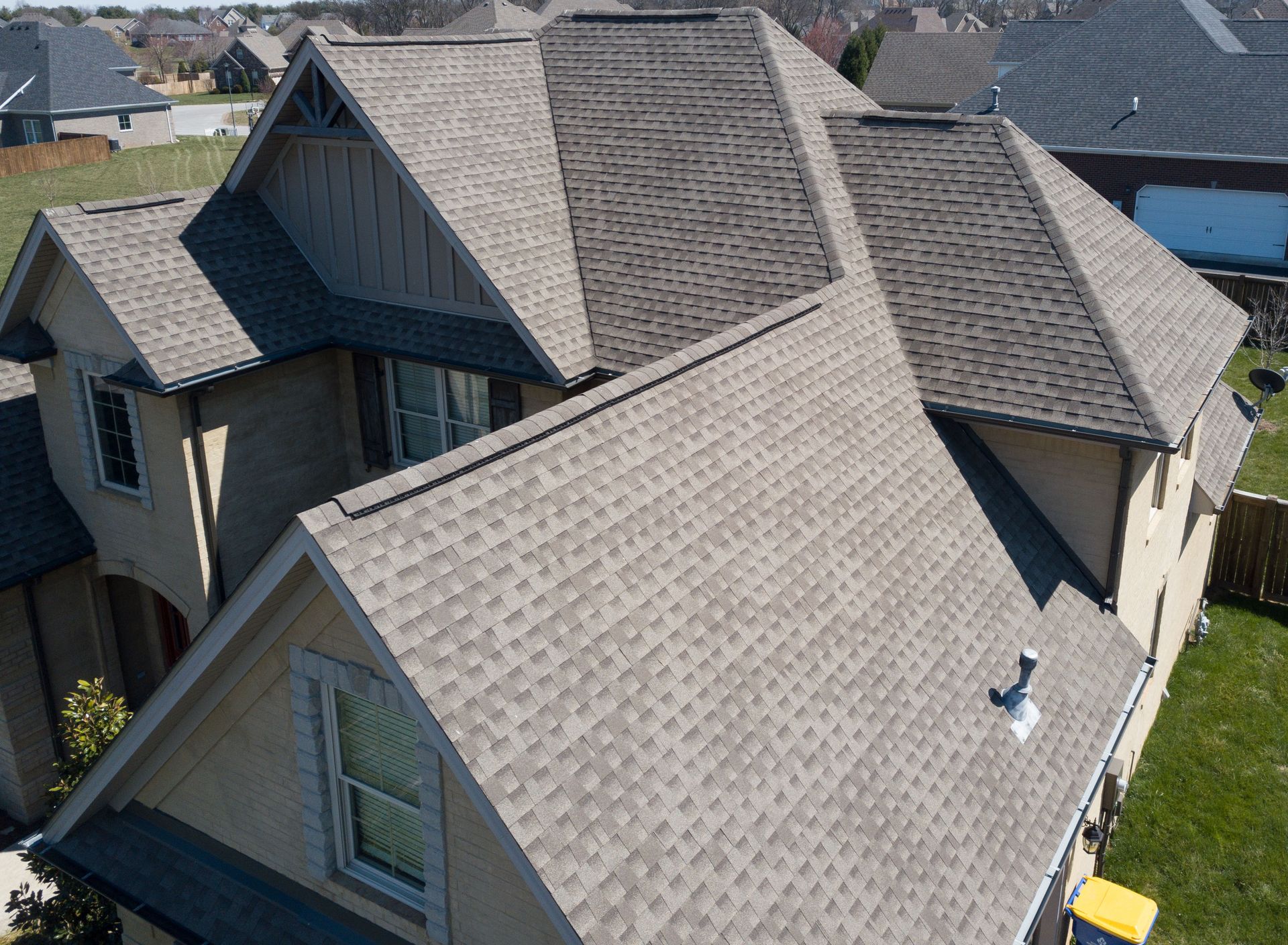
Rooflines can include vents, chimneys, valleys, penetrations, and other features that require attention during replacement. These areas are incorporated into the overall roofing project rather than treated as unrelated elements. Their number and configuration can influence the amount of work involved.
Monitoring Weather Conditions
Weather can affect roofing schedules because much of the work occurs outdoors on an exposed structure. Rain, strong winds, or other unfavorable conditions can influence when certain work can safely proceed. As a result, homeowners should recognize that an estimated timeline can occasionally change.
Expecting Communication Throughout the Project
Receiving Schedule Information
A replacement project can evolve as work progresses. Weather, material availability, or conditions discovered after removal can influence scheduling. Communication helps homeowners know whether work remains on track and when changes to the anticipated completion date become necessary.
Receiving Condition Updates
If roofing contractors discover an unexpected condition, homeowners should receive information about what was found and why it matters. These conversations provide context for changes that weren't apparent during the initial evaluation and help homeowners remain informed throughout the project.
Receiving Project Clarifications
Questions can arise once work begins, even after a detailed initial discussion. Homeowners may want clarification about the activity they observe, project progress, or changes in scheduling. Ongoing communication provides opportunities to address those questions as the replacement moves forward.
Receiving Completion Information
As installation approaches completion, homeowners can expect information about remaining work and final project activities. Knowing when major installation work is ending and when cleanup will occur makes it easier to recognize when normal household routines and exterior access can resume.
Expecting Cleanup and a Final Review
Removing Project Debris
Once the new roof has been installed, the remaining materials and project debris need to be removed from the property. Cleanup is an important part of completing a roof replacement because construction activity can leave discarded materials around the work area.
Clearing the Work Area
Equipment, unused materials, and temporary project items should no longer occupy the property after completion. Professional roofing contractors include attention to the work area as the project concludes, allowing exterior spaces to return to their normal use.
Reviewing Completed Work
A final review provides an opportunity to examine the completed roofing project. This stage can confirm that planned work has been completed and gives homeowners an opportunity to discuss any remaining questions about their new roof.
Discussing Future Expectations
Homeowners can also expect information relevant to their completed roof, including applicable documentation and general expectations for the roofing materials. Keeping project information available can be useful for future maintenance, property records, and questions about the completed work.
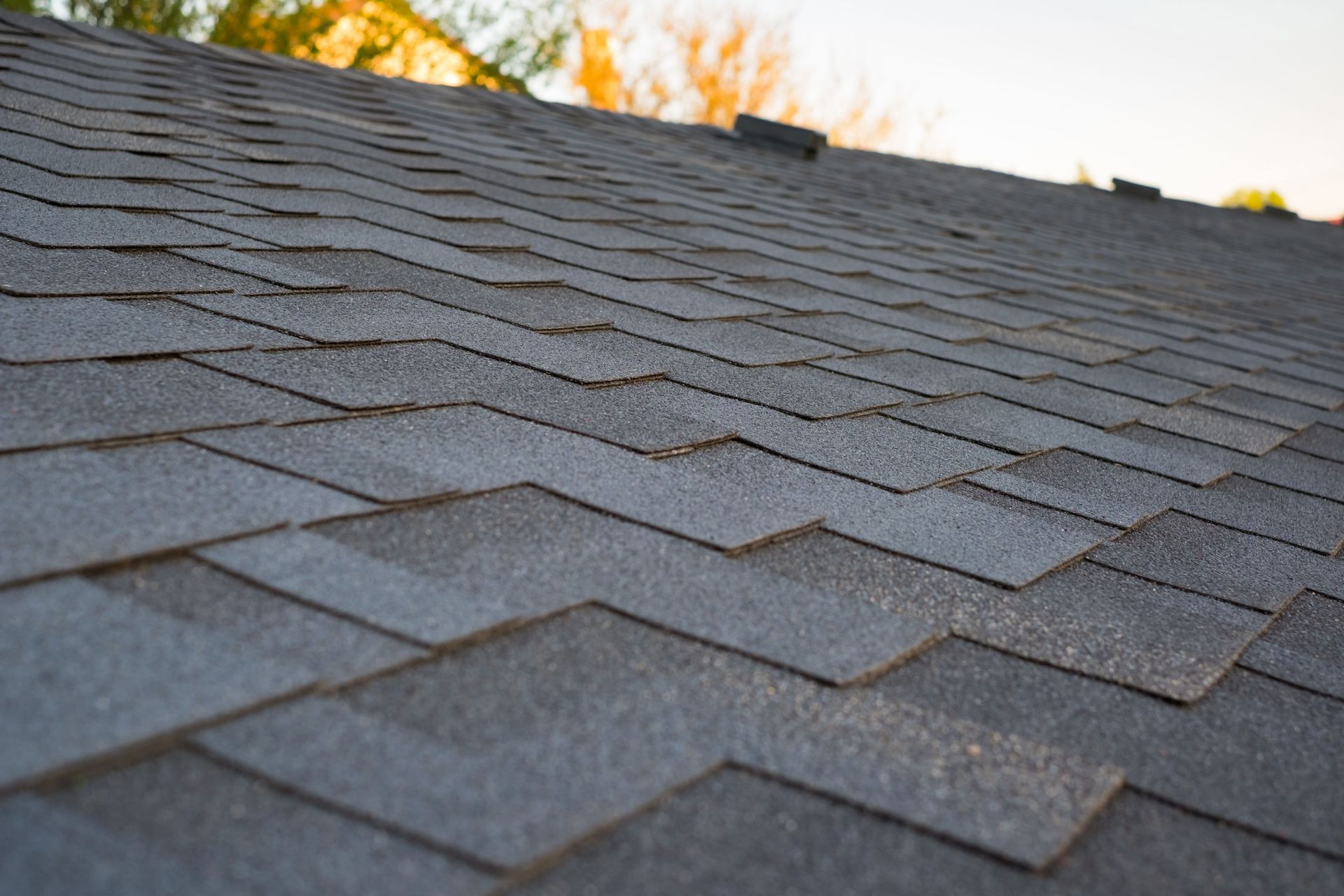
A roof replacement can temporarily change the normal rhythm of a household, but knowing what to expect can make the process easier to anticipate. From the initial evaluation and property preparation to removal, installation, communication, and cleanup, each stage contributes to the completed roofing system.
If your roof is showing signs of age or damage and replacement is becoming necessary, contact Wolfe Mottola & Sons Construction today to discuss your property with experienced roofing contractors and learn what to expect from your upcoming roof replacement.


Share On: