Is Metal Roofing the Best Choice for Your Home?
Choosing the right roofing material is one of the most important decisions you can make as a homeowner. Your roof protects your home from the weather, contributes to curb appeal, and affects energy efficiency, maintenance costs, and long-term property value. Selecting the right material today can help you avoid costly repairs and replacements in the future.
Metal roofing has become one of the fastest-growing residential roofing options because it combines durability, energy efficiency, and attractive design choices. While it typically costs more upfront than asphalt shingles, many homeowners find that the long lifespan and reduced maintenance make it a worthwhile investment. Speaking with experienced roofers can help you determine whether metal roofing is the right fit for your home's style, climate, and budget.
Benefits of Metal Roofing
Outstanding Durability
One of the biggest advantages of metal roofing is its exceptional durability. Depending on the type of metal and the quality of the installation, a metal roof can last between 40 and 70 years, far exceeding the lifespan of many traditional roofing materials. This longevity makes metal roofing an appealing option for homeowners who want a roof that provides decades of dependable protection.
Metal roofs also perform exceptionally well during severe weather. They resist fire, insects, moisture, and many of the issues that commonly affect asphalt shingles over time. According to METALCON, standard metal roofs can withstand up to 140 mph of wind. When installed by experienced roofers, a metal roof offers reliable protection against demanding weather conditions while requiring fewer repairs throughout its lifespan.
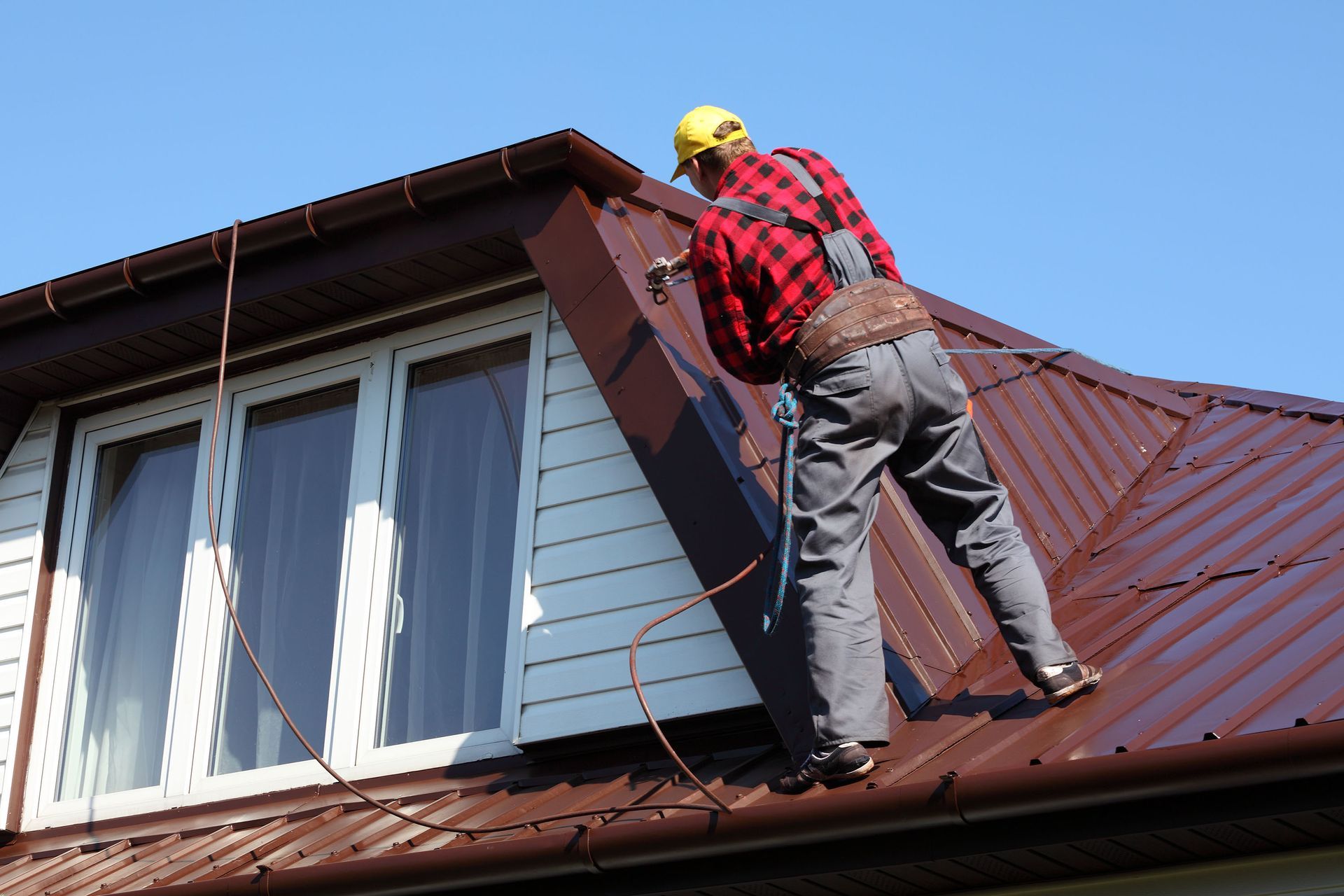
Modern metal roofing products are manufactured with protective coatings that help prevent rust, corrosion, and fading. These finishes allow rain and snow to slide off the roof more easily, reducing standing water and lowering the chance of leaks. Homeowners living in areas that receive heavy rainfall or snowfall often appreciate the added protection that metal roofing provides.
Improved Energy Efficiency
Metal roofing can also help lower energy costs throughout the year. Instead of absorbing large amounts of solar heat like many traditional roofing materials, metal reflects much of the sun's radiant energy away from the home. This helps keep attic temperatures lower during hot weather, reducing the strain on air conditioning systems and improving overall comfort.
Many manufacturers also offer reflective coatings that increase the roof's energy efficiency even further. These finishes improve solar reflectance while helping the roof maintain its appearance over time. Homeowners looking to reduce monthly utility bills often find that metal roofing provides long-term savings that help offset the higher installation cost.
Metal roofs are also compatible with solar panel systems, making them an excellent choice for homeowners interested in renewable energy. Professional roofers can install mounting systems that protect the roof while allowing homeowners to maximize solar performance without compromising durability.
Environmentally Friendly Roofing
Metal roofing is considered one of the most environmentally responsible roofing materials available today. Many products contain recycled materials during manufacturing, and the roofing itself can usually be recycled again at the end of its useful life instead of ending up in a landfill. This helps reduce waste while conserving valuable natural resources.
The long service life of metal roofing also reduces the need for frequent roof replacements. Fewer replacements mean less construction debris, fewer manufacturing resources, and lower overall environmental impact. Combined with improved energy efficiency, metal roofing offers homeowners a practical way to reduce their home's environmental footprint.
Lightweight Yet Strong
Although metal roofing is extremely durable, it remains much lighter than materials such as clay tile or concrete. The lighter weight places less stress on a home's framing while making transportation and installation easier for contractors. This advantage can be especially valuable for older homes that may not be designed to support heavier roofing systems.
The reduced weight also simplifies many installation projects and can help lower labor time in certain situations. Experienced roofers evaluate the home's existing structure before beginning installation to ensure the roofing system performs safely and efficiently for many years.
Wide Variety of Styles
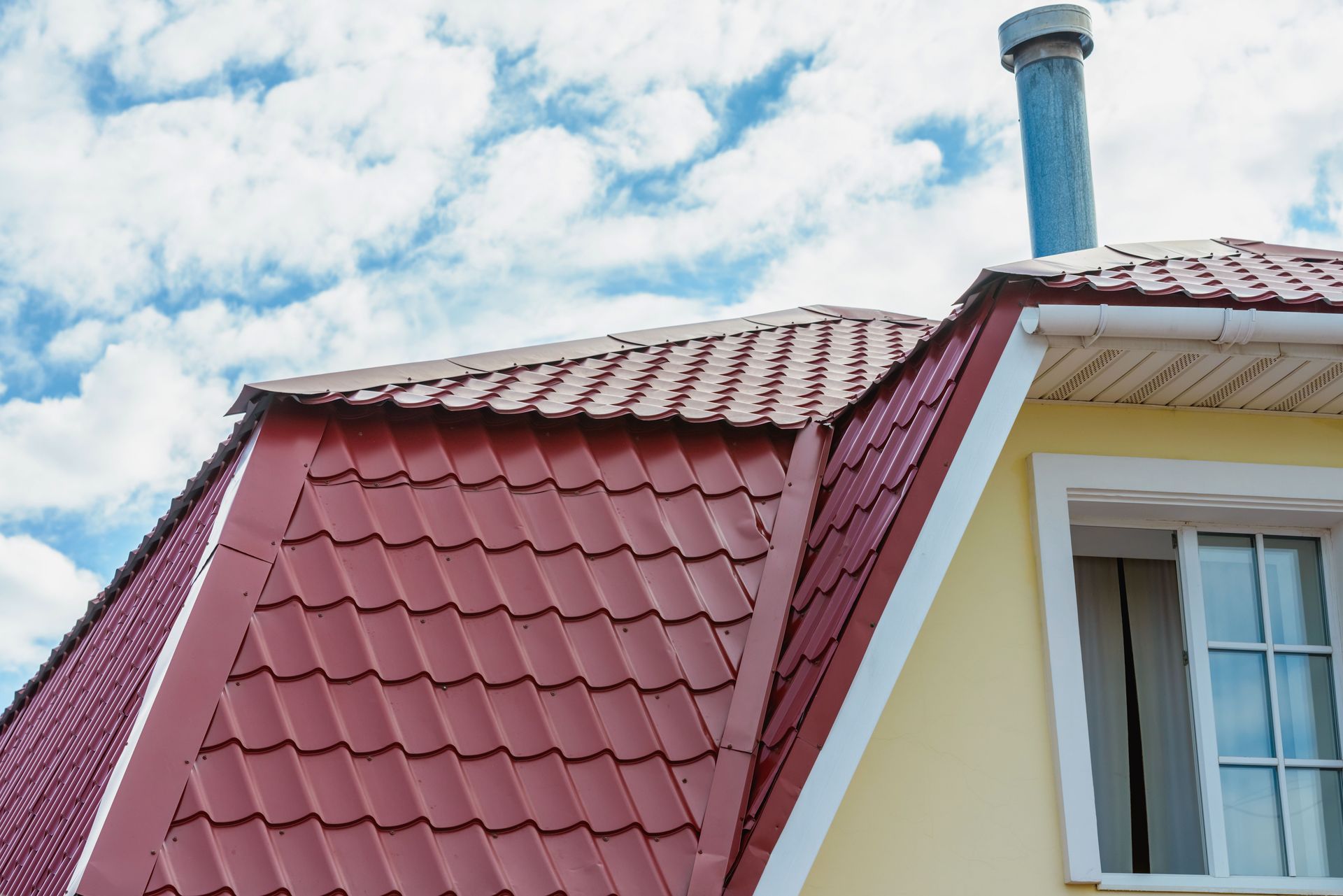
Modern metal roofing offers far more design flexibility than many homeowners expect. Manufacturers produce panels in numerous colors, textures, and profiles that resemble asphalt shingles, cedar shakes, slate, and even traditional clay tile. This allows homeowners to enjoy the benefits of metal roofing without sacrificing their preferred architectural style.
Protective finishes also help preserve the roof's appearance for decades by resisting fading, chipping, and weather-related wear. Whether your home features a traditional design or a more contemporary appearance, metal roofing offers options that combine beauty with lasting performance.
Potential Drawbacks of Metal Roofing
Higher Initial Investment
The primary disadvantage of metal roofing is its higher upfront cost. Materials, specialized installation techniques, and labor generally make metal roofs more expensive than asphalt shingles during the initial installation. For homeowners working within a strict budget, this higher price may influence the decision.
However, focusing only on installation costs does not provide the complete picture. Lower maintenance expenses, improved energy efficiency, and a significantly longer lifespan often allow homeowners to recover much of their investment over time. Many roofers encourage homeowners to compare the total lifetime cost instead of only the initial purchase price.
Noise During Heavy Rain
Some homeowners worry that metal roofing will be excessively noisy during rainstorms or hail. While exposed metal can produce noticeable sound, properly installed residential roofing systems include insulation and underlayment that greatly reduce interior noise levels. In many homes, the difference is far less noticeable than people expect.
Additional attic insulation can further improve sound control while increasing the home's overall energy efficiency. Professional roofers understand how proper installation techniques contribute to both comfort and long-term performance, making storm noise much less of a concern.
Expansion and Contraction
Like all metal products, roofing panels naturally expand and contract as outdoor temperatures change throughout the year. If installation is performed incorrectly, this movement can place stress on fasteners or create small gaps that may eventually lead to leaks. Proper planning during installation helps eliminate these concerns.
Experienced installers use fastening systems designed to accommodate thermal movement while maintaining a secure roofing system. Choosing qualified roofers helps ensure the roof continues performing properly despite seasonal temperature changes.
Specialized Installation Requirements
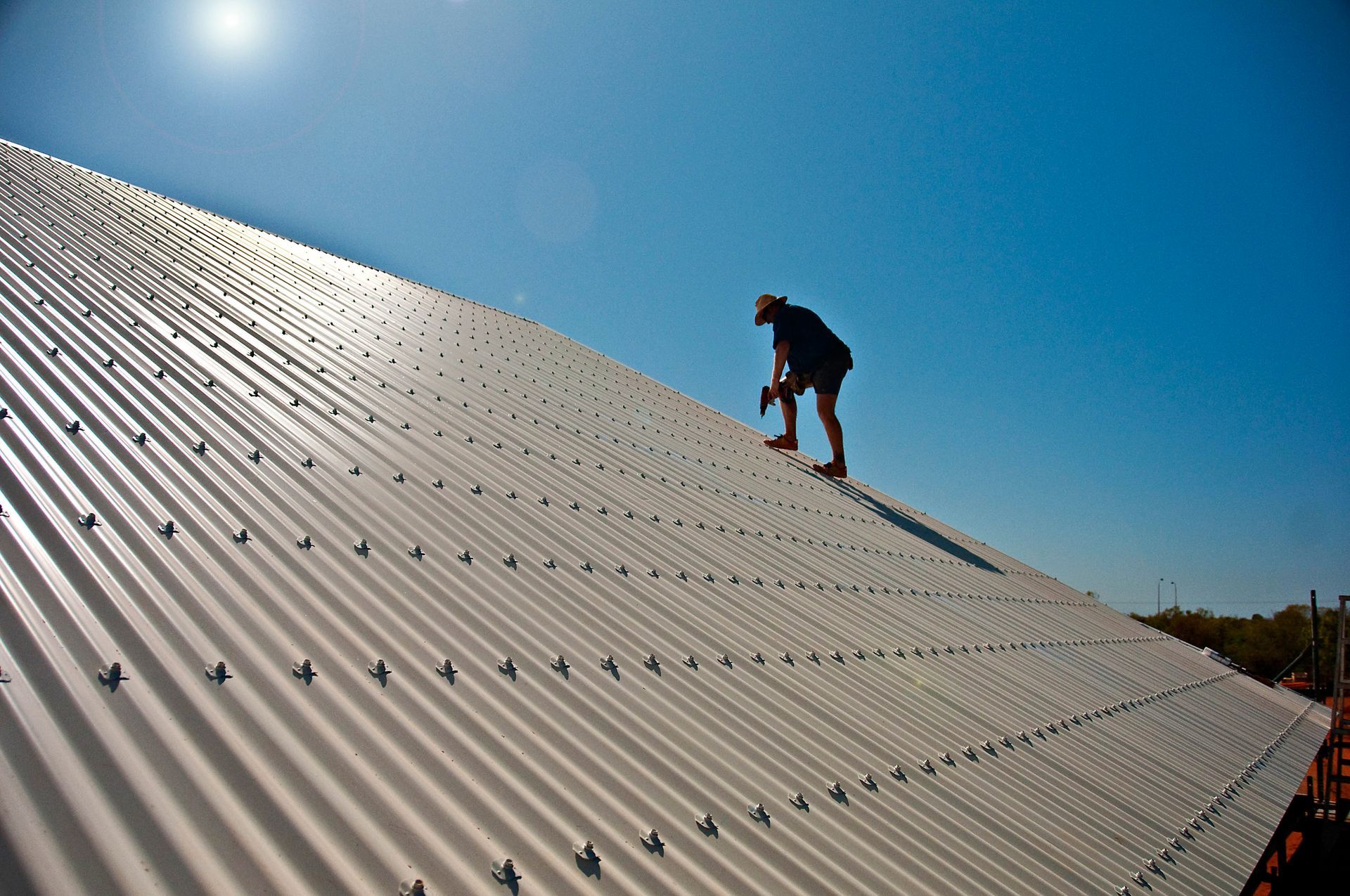
Metal roofing requires specialized knowledge and installation techniques that differ from those used for traditional asphalt shingles. Proper panel alignment, flashing installation, fastener placement, and sealing are all essential to preventing leaks and maximizing the roof's lifespan. Hiring experienced roofers helps ensure these details are handled correctly from the beginning.
Choosing a qualified contractor can also protect your investment by reducing the likelihood of costly repairs later. Many manufacturers require installation that follows their specifications to maintain warranty coverage, making professional workmanship even more important. Taking the time to research reputable roofers can provide peace of mind throughout the project.
Potential for Cosmetic Damage
Although metal roofing is extremely durable, some materials can develop dents if struck by large hail or heavy falling branches. In most cases, this type of damage is cosmetic rather than structural, meaning the roof continues to protect the home even if small dents appear. Choosing thicker metal panels can improve resistance to impacts in areas that experience severe storms.
Routine inspections after major weather events allow homeowners to identify minor damage before it becomes a larger concern. Regular maintenance also helps preserve the roof's appearance and ensures small issues are corrected quickly. Professional inspections provide added confidence that the roofing system remains in excellent condition.
Metal roofing continues to grow in popularity because it offers an impressive combination of durability, energy efficiency, sustainability, and design flexibility. Although the initial investment is often higher than other roofing materials, the long lifespan and reduced maintenance needs frequently make it a cost-effective choice over time.
If you are considering replacing your roof, working with qualified roofers can help you determine whether metal roofing is the best solution for your home. With proper installation and routine maintenance, a quality metal roof can provide decades of dependable protection while enhancing your home's appearance, efficiency, and long-term value. For more information, contact Progressive Industrial, Inc.
Share On: